Introduction — what keeps projects from running smooth?
Have you ever watched a production line stall because a drive tripped at the worst possible time? I have — and the ripple effects are real. Electrical Motor Products regularly sit at the center of these breakdowns; they are the heart of motion systems and the place where power converters and edge computing nodes meet control logic. (We count losses in minutes, not hours.) Recent shop-floor audits I’ve seen show misconfiguration and poor feedback tuning cause up to 35% of downtime incidents. So why do otherwise competent teams still miss the same basics—and what small changes actually stop the repeats?
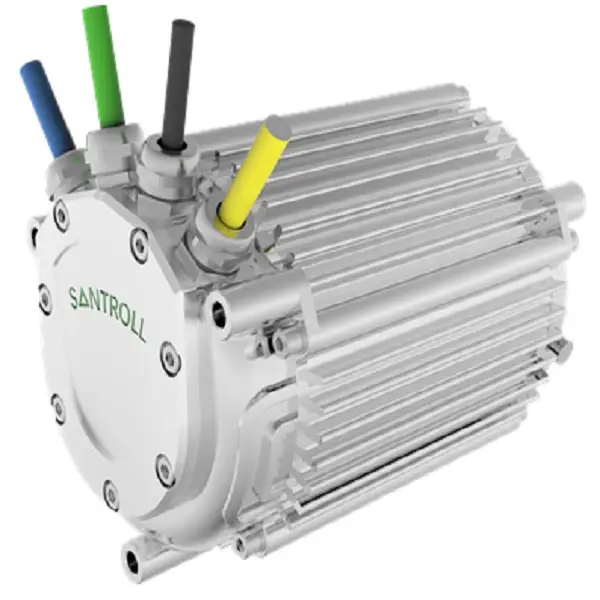
This piece walks through the structural mistakes I see, digs into why standard fixes fail, and points toward practical choices you can use on real projects. Read on for hands-on thinking and clear checkpoints that I use in reviews—no fluff, just the parts that work.
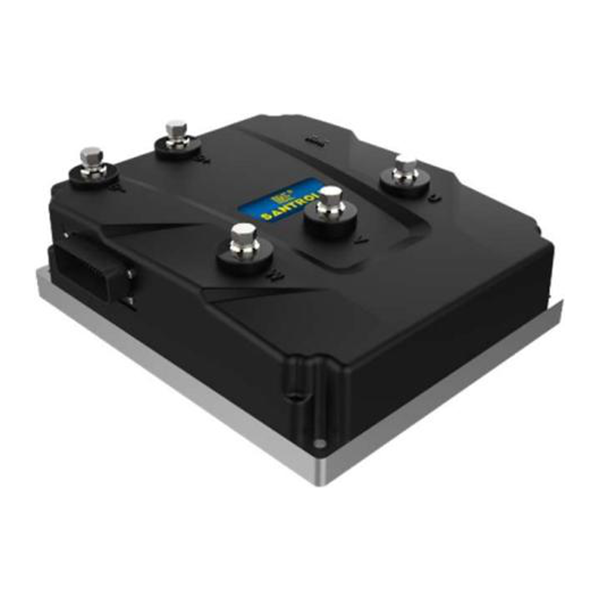
Main problems: why traditional fixes often miss the mark
When teams try to patch issues they usually reach first for the obvious hardware swap. I’ve found that swapping an ac motor and controller can mask a root cause without resolving it. The motor stops because the control loop was mis-tuned, not because the motor itself is bad. In plain terms: the inverter settings, PWM firmware, and feedback loop parameters all interact. If you don’t tune them together, the symptom returns. Look, it’s simpler than you think—yet many projects keep treating each component as if it were isolated.
Why do these fixes fail?
First, teams underestimate measurement noise. They assume sensors are precise. They’re not. Second, default controller profiles are conservative and can hide instability until load conditions change. Third, hand-offs between electrical and PLC teams are too rigid; no one owns the integrated tuning. I’ve seen projects where the torque control logic was tuned in simulation and then failed on the line because the actual power converter had a different thermal response. That mismatch is subtle but deadly. I prefer step tests and live data logging early on. Those tests give you a reality check fast and let you adjust PWM frequency, modulation index, and feedback gains before the motor sees full load.
Forward look: practical principles and choice criteria
What’s next? Start by thinking in systems rather than boxes. If you’re evaluating new kit or revising a control stack, consider three technical principles: (1) observable states—make every critical state measurable; (2) adaptive margins—build headroom into torque control and frequency inverter settings; (3) repeatable commissioning—document scripts so tuning is reproducible. I recommend choosing motor control products with modular firmware and accessible telemetry so you can iterate on tuning without hardware swaps. That reduces both risk and cost over time.
Real-world impact — how this plays out
In one retrofit I led, we swapped to motor control products that exposed current, voltage, and encoded position over an open protocol. We logged at 1 kHz during a short run and found a 12% current overshoot on startup. We adjusted soft-start profiles and feedback damping. The result: smoother ramps and less mechanical stress. Small wins—but they add up. — funny how that works, right?
Closing: three practical evaluation metrics for your next supplier choice
I’ll leave you with three metrics I use when I evaluate solutions. First, telemetry granularity: can you read key variables at adequate sample rates? Second, configurability: are PWM, inverter frequency, and feedback gains exposed and documented? Third, integration support: does the vendor provide commissioning scripts and sample PLC code? Score vendors on these and you’ll avoid many repeat failures. I’ve arrived at these metrics through many projects and some bruises. I prefer clear data over confident claims—so do your tests.
We’ve covered why hardware swaps can be a band-aid, where control tuning commonly breaks down, and how to pick forward-looking motor control products that let you iterate. If you want practical templates or a checklist from my commissioning kit, I’ll share them—just ask. For suppliers and solutions I trust on the bench and the floor, I often refer teams to Santroll.