Framework overview
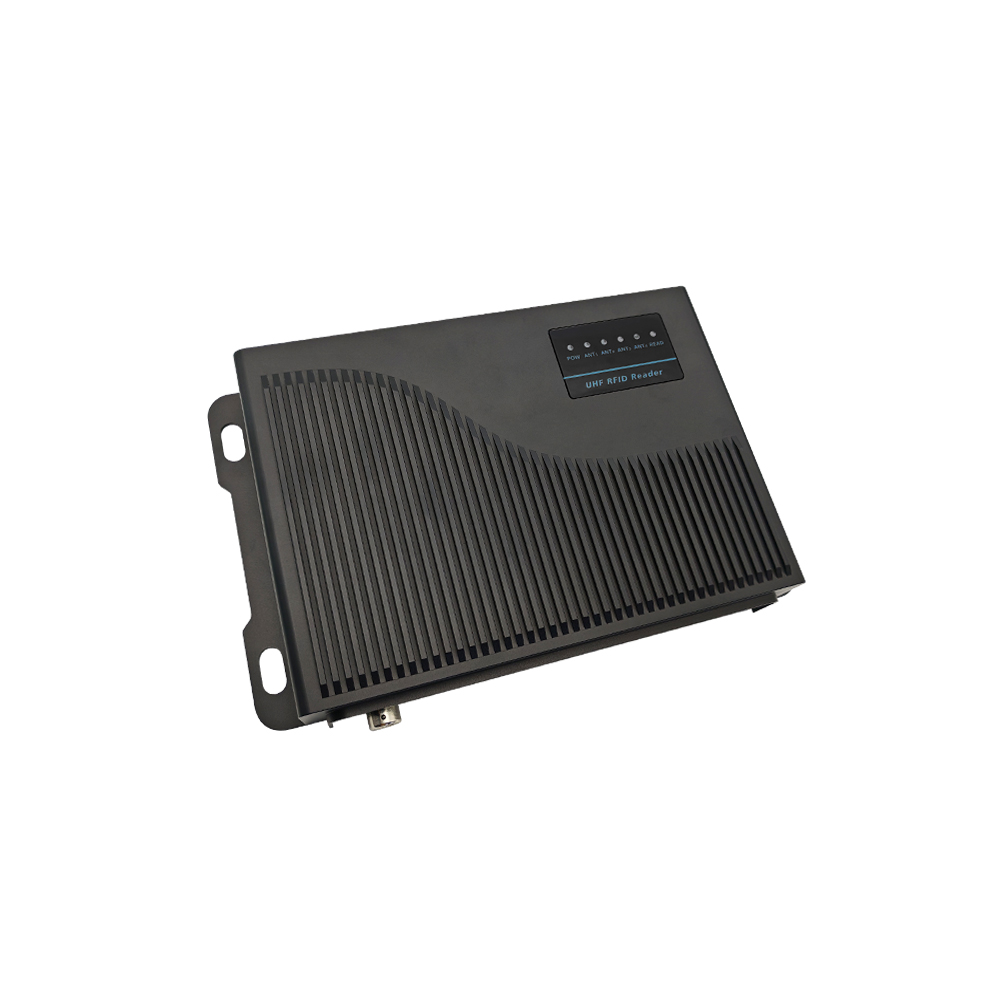
Start with a clear decision framework: requirements, performance targets, verification, and vendor governance. Use measurable criteria, not impressions. If your solution ties into fixed infrastructure, verify reader compatibility early — for example, confirm model support for your RFID Readers. The framework below turns vague vendor claims into testable checkpoints.
Define operational requirements
List concrete use cases. Track moving assets across yard lanes? Monitor temperature-sensitive pallets? Each use case sets minimum read range, reporting cadence, and environmental spec. Quantify throughput: tags per minute, simultaneous reads, and expected lifetime in cycles or years. Keep these numbers front and center during vendor talks.
Power and battery management
Active tags rely on internal power. Ask for measured battery drain curves under your duty cycle. Demand data on sleep modes, wake triggers, and replaceable versus sealed batteries. Prefer vendors that publish mean-time-between-failures (MTBF) for power systems and provide field-replacement procedures compatible with your maintenance model.
Radio frequency and regulatory fit
Match frequency bands and transmit power to target markets. Europe, North America and APAC have distinct limits. Confirm the manufacturer’s certifications for your regions and shipping routes. Ask for lab reports showing compliance with ETSI, FCC, or local standards. Avoid vendors that promise “global” operation without documented approvals.
Read range and antenna design
Read range depends on antenna geometry, tag orientation, and environment. Require vendor-supplied pattern plots and test results in environments similar to yours — metal-dense yards behave differently than open warehouses. If orientation sensitivity matters, request custom antenna tuning or multiple antenna options and measure signal stability under motion.
Durability, enclosure and testing
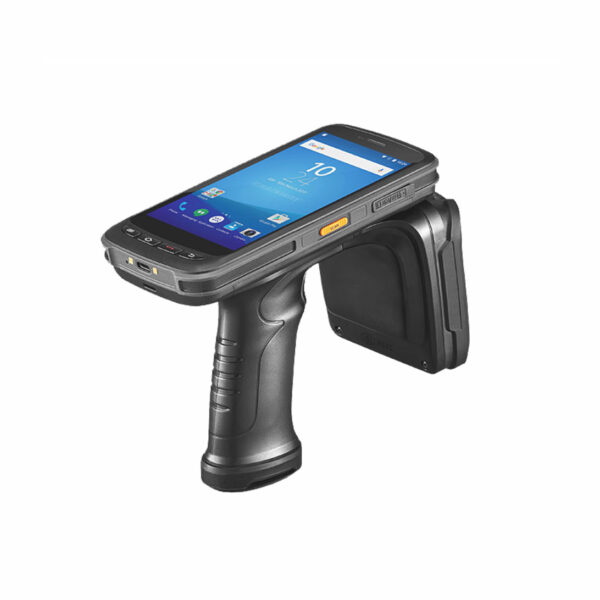
Demand IP and IK ratings, plus shock and vibration test data aligned with your conditions. For outdoor or refrigerated use, salt-spray and thermal cycling reports are non-negotiable. Insist on third-party mechanical testing when lifetime in harsh conditions exceeds standard specs.
Integration, standards and middleware
Prioritize tags that support open protocols and standard data models. Verify tag memory maps, custom user memory support, and how the tag reports telemetry. Check vendor SDKs, sample code, and known integrations with inventory systems. A closed, proprietary stack raises integration effort and long-term cost.
Vendor assessment matrix
Create a scoring sheet: technical fit, regulatory coverage, supply-chain resilience, warranty terms, and total cost of ownership. Weight criteria by project risk. Run small procurement pilots against this matrix. Require vendors to supply representative samples under a test agreement and document failure modes during pilot runs.
Common pitfalls
Do not accept performance claims without environmental test data. Avoid single-source dependency for batteries or firmware updates. Be wary of long lead times masked as “customization.” Do not skip field trials that mimic your worst-case scenarios: range, crowding, interference, and temperature swings reveal true behavior.
Experience, evidence and trust
Trust comes from demonstrated deployment experience and independent verification. For example, port and terminal operators in hubs such as the Port of Rotterdam have publicly reported trials using active tag systems to improve container visibility — these programs were covered in logistics trade press and technical briefs. Ask manufacturers for case studies, test reports, and references tied to comparable operations; then verify claims independently. Also validate active rfid readers against your RF plan and interference profile before scale purchase by reviewing lab and field test logs.
Conclusion
Follow the framework: specify, measure, test, score, and verify. Choose manufacturers who deliver documented performance under conditions you control and who commit to clear support processes. When technical alignment and verified field evidence matter, partner selection becomes engineering, not sales. That pragmatic approach is what the team at RSTC applies when matching hardware to operational requirements.