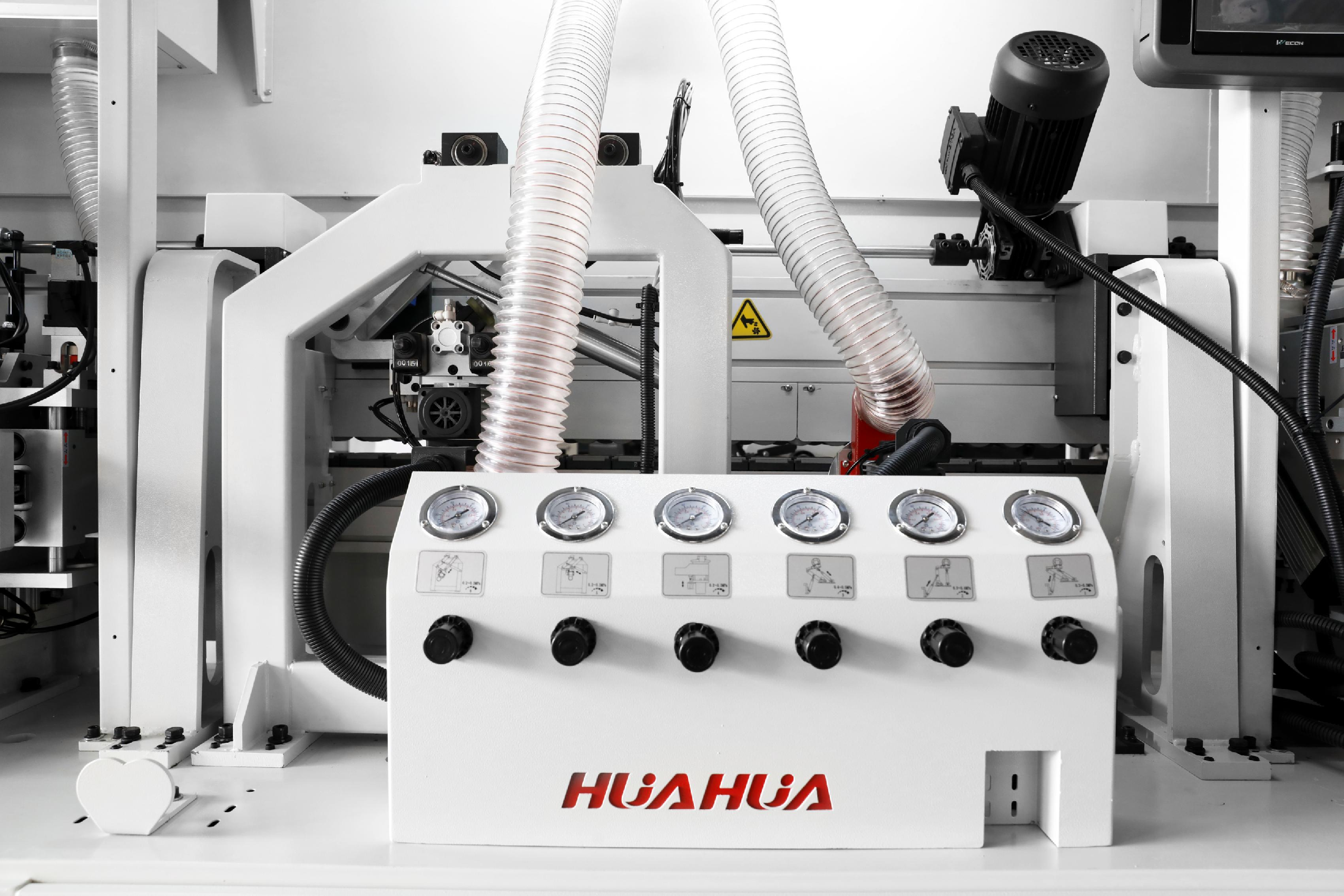
When the edge fails, the whole piece looks broken
The real problem isn’t a chipped corner — it’s inconsistent edges that force rework, slow orders, and eat profit. Shops that cut cycle time and scrap start with a predictable machine. A modern servo edge banding machine brings steadier feed and faster ramp-up, not just a bump in speed but fewer ruined tops and less sanding. I write from a problem-first lens: pinpoint the pain, then fit the tool that fixes it.
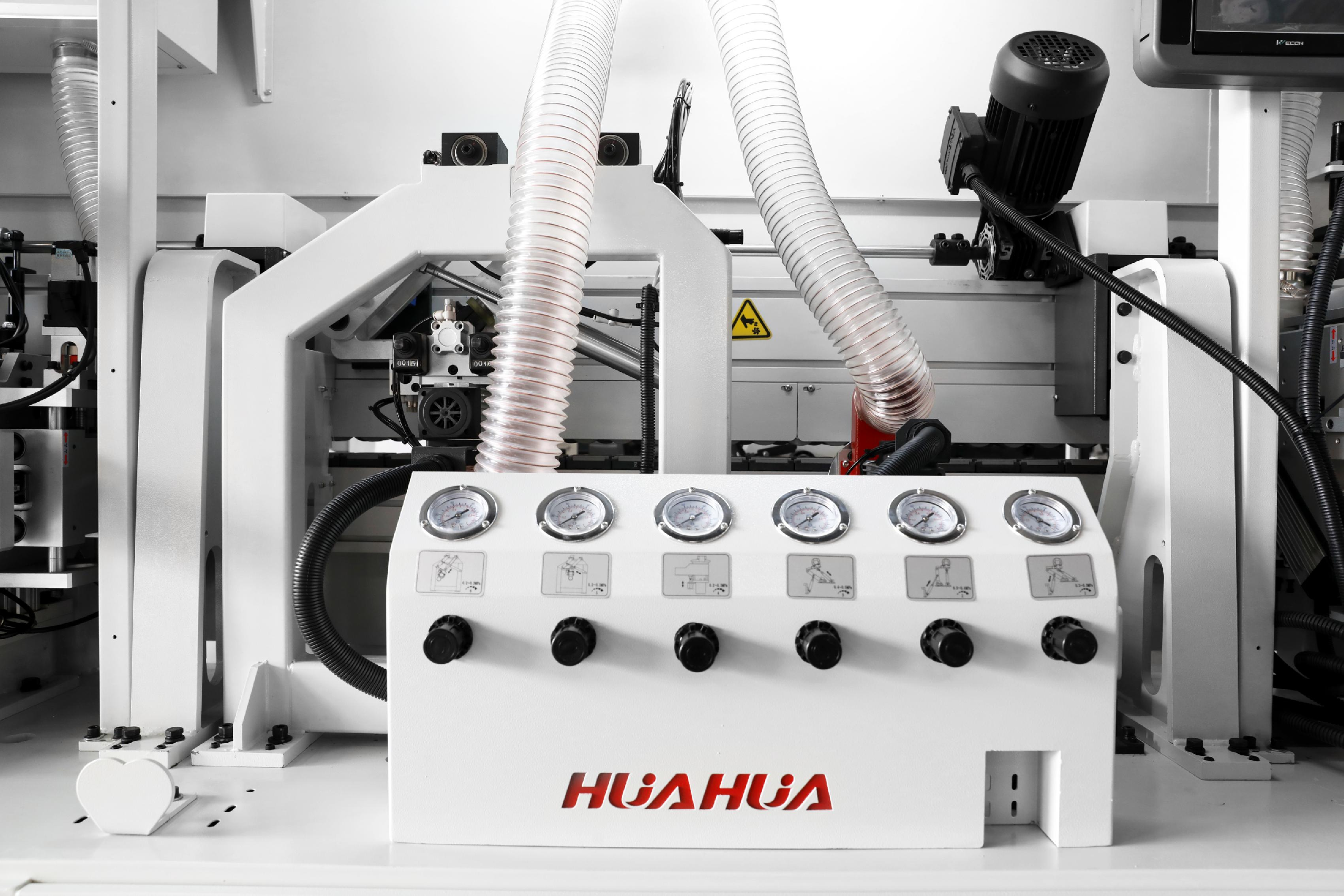
Diagnose — what actually goes wrong on the floor
Blowouts at cross-grain cuts, glue squeeze or gaps at corners, and jamming from warped boards: those are symptoms, not causes. Look for feed inconsistency, weak glue systems, and underpowered trimming spindles. Watch one full job from loading to unloading; that’s where repeat failures reveal their pattern. Solve the dominant failure mode first — it slashes downtime fastest.

Key specs that solve the problems
Prioritize: controlled feed (servo drive over belt-only systems), stable glue application, reliable trimming and corner modules, and accessible service points. Don’t chase headline speeds; chase consistent throughput. A machine with precise feed reduces tear-out on thin laminates and keeps small runs profitable. Also check parts commonality — simpler repairs mean less lost production.
Quick comparative reality check
Entry-level units save capital but demand more manual touch-ups. Mid-tier servo-fed units raise labor efficiency markedly and cut rejects. High-end lines add automation and sensor feedback that help high-mix shops. Match the machine to your mix: short runs and varied edges benefit more from servo control than raw top speed. Test with your typical panels before you buy.
Common mistakes that still cost shops time
Buying on specs alone, skipping a live demo, and under-investing in operator training are the top three. Teams need short, focused training on feed settings, glue temperature, and routine maintenance. Ignore small fixes — like dull trimming bits — and they compound into whole-shift headaches. Schedule simple daily checks; they stop small faults from becoming production halts.
A concrete anchor from the field
At the Salone del Mobile in Milan I watched booths that used tight, consistent edgework stand out from a sea of average finishes, which reminded me why furniture edge banding matters beyond the shop floor: presentation sells quality. That show-level difference traces back to reliable machine setup and disciplined finishing — the same elements any cabinet or millwork shop needs.
Wrap-up that matches the fix to the problem
Stop chasing speed and fix the failures that cost you time: steady feed, correct glue control, and trained hands. Pick the equipment that addresses the dominant fault on your jobs, test it with your panels, and train your crew to keep it tuned. That practical path delivers consistent edges, lower scrap, and predictable deliveries — the exact results you get when the machine choice and workflow align with real shop needs through HUAHUA CNC.