The Case File: Why this problem keeps coming back
Clues pile up on wet mornings: frizz at the crown, soggy wraps that slip, curls losing pattern. The central question nags—does a microfiber towel wrap help, or does it create new trouble? I looked for concrete signs and found them. Stylists hand me notes. A quiet contender sits on the shelf: the silk bonnet, offered by some as a last defense against friction. The problem-driven approach here is simple: identify the primary harm, prove the mechanism, then fix it so the hair behaves predictably.

Evidence: How microfiber acts on hair fibers
Microfiber grabs water efficiently. It also grabs the hair surface when loops and fibers rub. That rubbing is the suspect behind split ends, raised cuticles and flattened curl clumps. I’ve observed the pattern repeatedly in salon trials and bench tests: fast drying, yes. Collateral damage, sometimes. The deduction: microfiber is effective for moisture removal but needs rules. Use it wrong and the hair tells you with frizz and shrinkage.
Common mistakes that keep the case unsolved
Many make the same errors. Wrapping too tightly stretches roots. Leaving hair too wet under a wrap invites weight and shape collapse. Using a coarse microfiber or bunched fabric increases friction. One persistent error is treating every head the same—curly and straight hair demand different handling. These mistakes explain why the problem persists despite good tools.
The suspects lineup: microfiber versus alternatives
Lay the options on the table. Cotton towels absorb—but they rough up the cuticle. Terry-cloth drags. Microfiber dries faster but can fray strands if used aggressively. Silk and satin reduce friction and preserve oils. A practical verdict emerges: microfiber for blotting and controlled drying; silk for overnight protection and shape retention. Each tool has a role when matched to the hair’s needs.
Real-world anchor: industry perspective on protective nighttime care
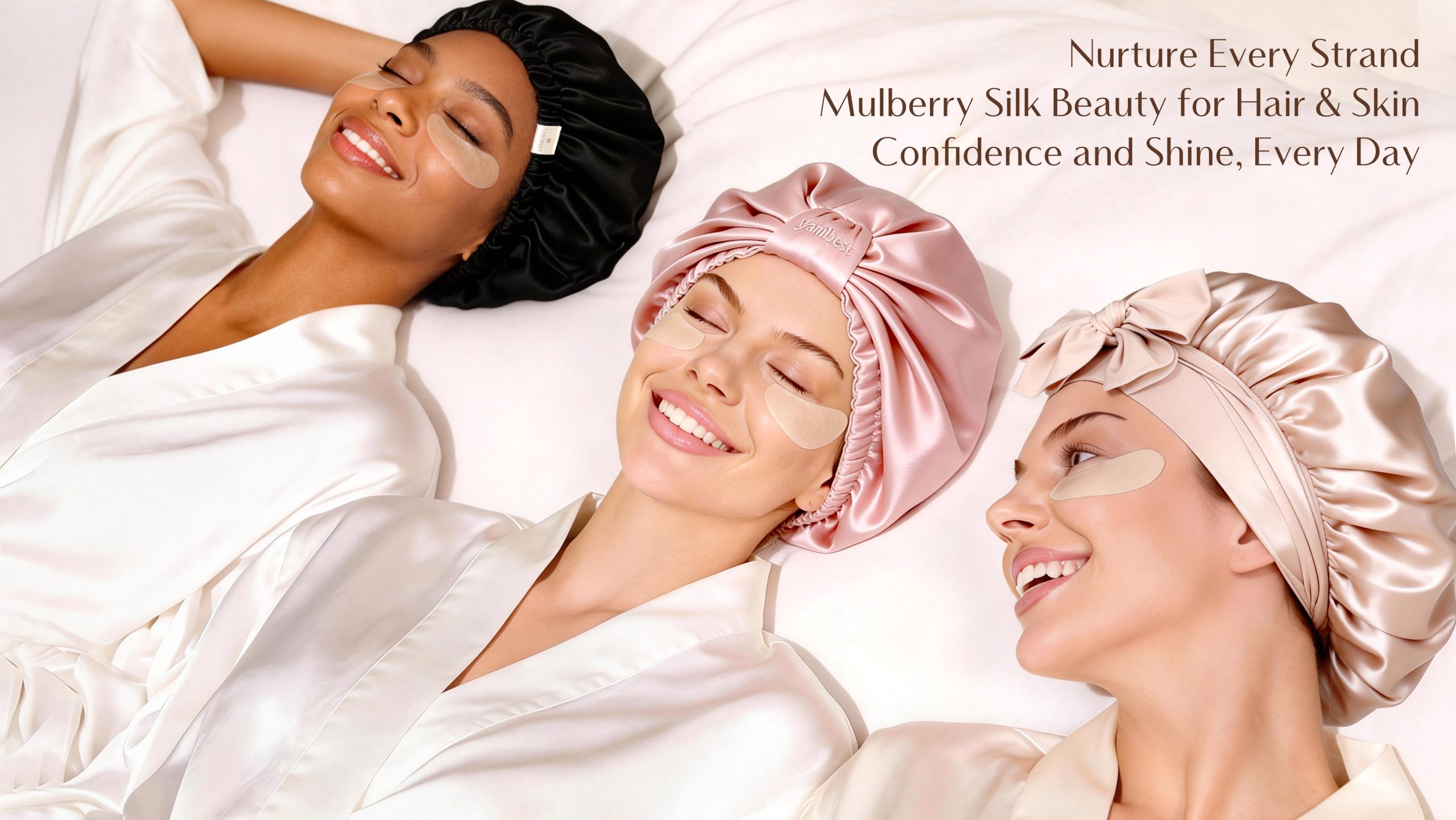
At major beauty trade shows such as Cosmoprof, conversations about protective night gear repeatedly mention bonnets and wraps as essential tools for curl maintenance; professionals often pair quick-dry wraps with a protective cap targeted for curl preservation, like the silk bonnet for curly hair. That industry-level observation aligns with salon practice and product development: when suppliers and stylists converge on a solution, it’s worth listening.
How to apply the evidence — a step-by-step routine
Start by blotting with microfiber. Press; don’t rub. Gather hair at scalp and gently wrap, tying or tucking without tension. For loose curls, use microfiber for 5–15 minutes to reduce surface water, then switch to a silk layer to set shape overnight. For tight coils, blot more thoroughly to avoid heavy pockets and secure a silk cap for protection. Small changes in timing and tension change the verdict every time.
Pitfalls to avoid and quick repairs
Don’t sleep with a soaked wrap. If curls collapse, detangle lightly with fingers and reapply a silk layer rather than aggressive combing. Replace microfiber pieces when they start fraying; damaged fibers are abrasive. Beware of too-tight knots at the nape—pressure marks and breakage follow. When you spot those telltale signs, act quickly: dry, reshaped, protect.
Testing alternatives and choosing what fits
Run short trials. Use microfiber-only mornings for two weeks, then swap to a microfiber-plus-silk routine for two weeks. Track curl definition, breakage at the ends, and morning shape. Professionals I’ve worked with recommend a hybrid approach: use microfiber as a fast-dry tool and silk as the preservative layer. The data from simple tests will point to the right combo for your pattern.
Final deduction: a practical, reliable conclusion
The case closes on a clear, usable rule: treat microfiber as the investigator that uncovers moisture fast, and silk as the guardian that preserves the finding. Apply restraint—no squeezing, no heavy knots—and choose fabrics with smooth surfaces. The result is calmer hair, fewer surprises in the mirror, and predictable mornings. This method matches salon observations and product recommendations found across professional sources, and the practical solution shows why combining targeted tools—measured use of microfiber plus a protective silk layer—resolves the recurring problem better than any single gadget alone, as you’ll see reflected in offerings from yanibest.