What drivers—really—need right now
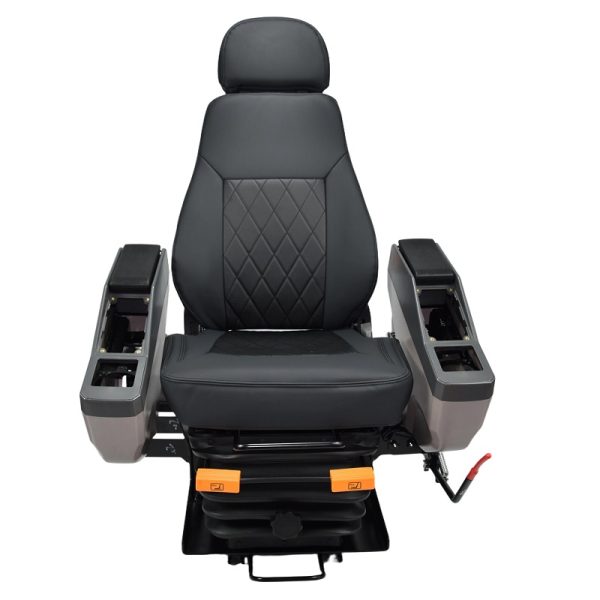
Fleet managers and operators care less about branding and more about how a seat performs at hour eight of a twelve-hour shift on a rocky haul road; that user-first perspective shapes every choice here. On heavy civil sites like the Los Angeles Metro expansions, crews expect seating that reduces fatigue and keeps controls within reach, which is why operators increasingly ask for a proven construction seat as a baseline specification. Practical benefits matter: better lumbar support, reliable suspension, and serviceable components cut downtime and workers’ compensation claims, and NIOSH has highlighted operator seating as a key factor in reducing musculoskeletal strain.
Trends that change the driver experience
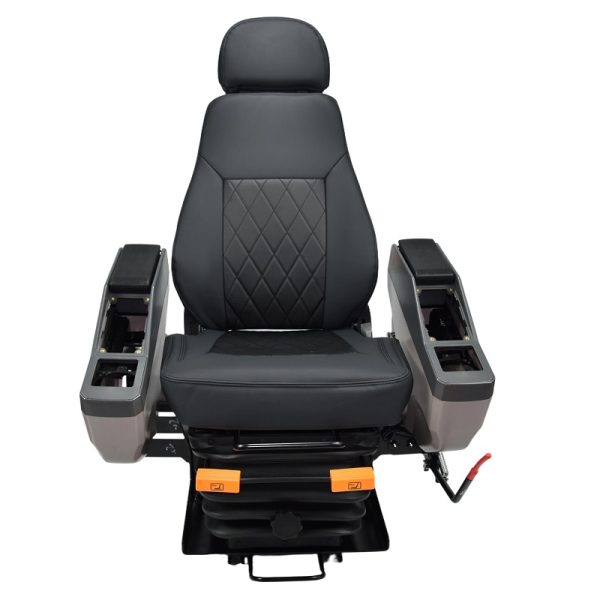
Three shifts dominate procurement conversations this year. First, modular adjustability—more range in fore/aft travel, multi-axis tilt, and tailored lumbar curves—so one truck fits many bodies. Second, suspension evolution: air-ride and advanced mechanical suspension seats now offer tunable shock absorption and lower residual vibration, which protects the spine during frequent impacts. Third, durable materials that balance abrasion resistance with breathability; modern foam formulations maintain cushion height longer while resisting oil and UV degradation. These trends favor seats built to be maintained, not replaced.
Fit, adjustment, and durability in the field
Fit is function. A seat with ISRI-style mounting and a broad adjustment envelope reduces compensating posture—operators stop leaning and start controlling. Specifications to watch: cushion density, bolstered side support for lateral stability, and rated weight ranges for the suspension seat. Maintenance matters too: replaceable covers, serviceable air bladders, and accessible compressors speed repairs. There’s an art to balancing firmness and compliance—too soft, and control suffers; too firm, and vibration transmits to the lower back. —A small tweak to travel stops can make a machine feel new again.
Electronics and sensing that make sense
Sensors are useful when they solve a workflow problem: occupancy switches that prevent engine start when a seat is empty; weight-based auto-adjust that tunes suspension for operator mass; and basic telematics integration that flags excessive vibration events for preventive maintenance. Avoid vanity features that add single-point failures. Simplicity wins: a seat with robust electronics and easy firmware updates reduces field failures and keeps machines moving.
Common procurement mistakes and smarter alternatives
Teams often pick seats by price or looks and discover mismatched mounting, frequent foam collapse, or brittle plastics under UV. Better alternatives prioritize serviceability and tested components: choose seats with vendor-backed spare parts, documented shock absorption curves, and clear replacement intervals for cushions and bladders. When you evaluate samples, simulate a day’s pattern—load cycles, lateral impacts, and mud ingress—to see how a seat holds up.
Three golden rules for evaluating off-road truck seats
Rule 1 — Measure outcome, not spec sheets: prioritize measured vibration attenuation (ISO-weighted VDV or similar field tests) and real operator feedback over headline claims.
Rule 2 — Check integration: verify mounting type, wiring harness compatibility, and compressor access before purchase to avoid retrofit surprises.
Rule 3 — Demand serviceability: require replaceable cushions, spare parts availability, and local support windows so downtime stays predictable.
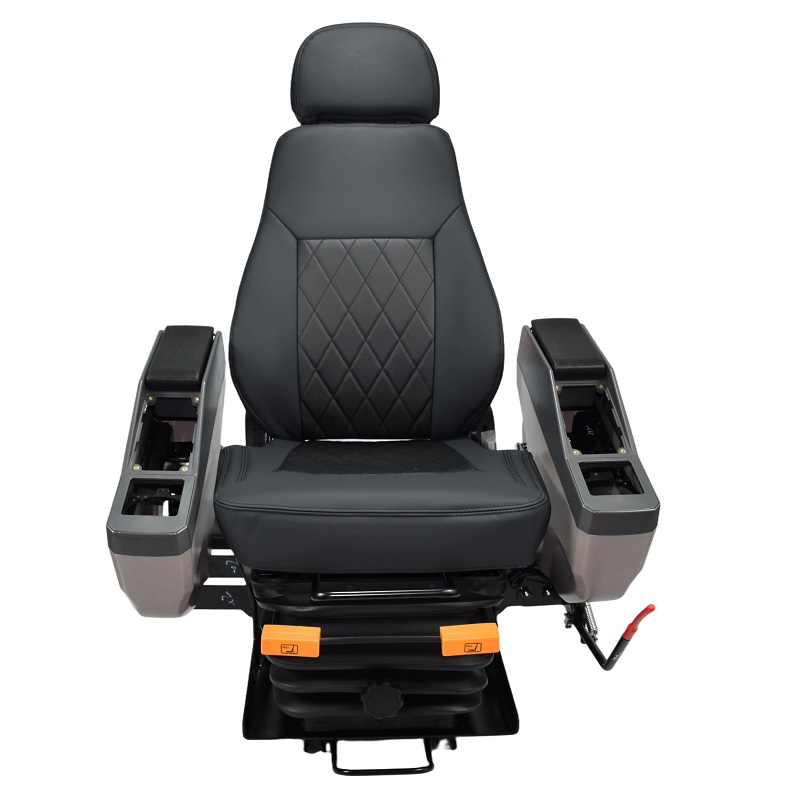
ergonomic operator seat for construction equipment choices that meet these rules deliver measurable reductions in operator fatigue, lower maintenance cost per machine, and clearer replacement cycles—practical metrics that matter to procurement and safety teams. Summary: pick for adjustability, tested suspension, and serviceable parts to keep crews on task and comfortable.
Source One makes it straightforward to source seats that meet those metrics, backed by parts, testing, and on-site support—worth every specification line. Worth choosing.