Comparative Invitation: Why Design Choices Sing Differently
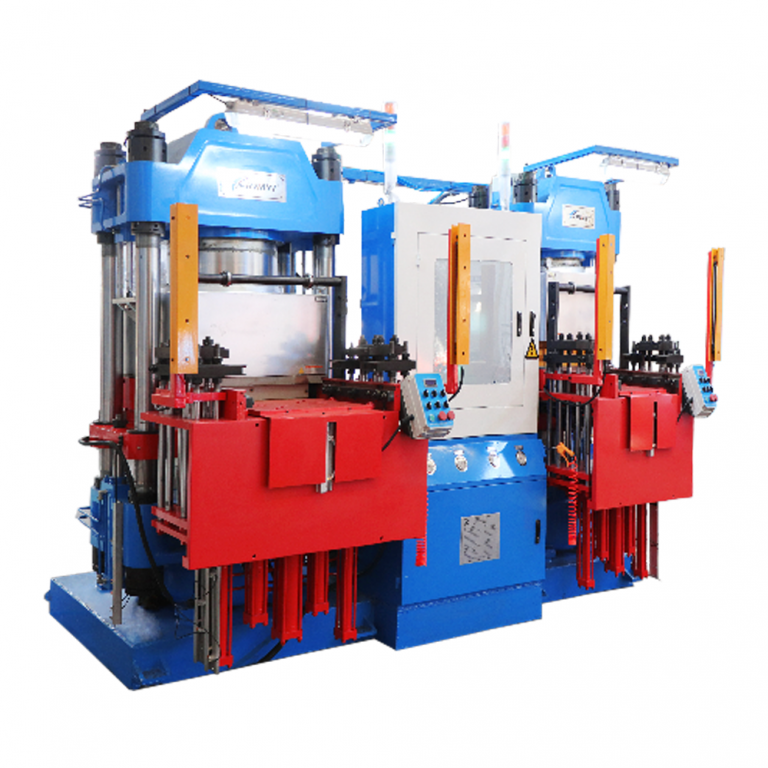
The tale begins where color matching meets compound transitions, and the machine itself feels like an orchestra conductor. In comparing modular screw-and-barrel assemblies against monolithic alternatives, the modular variant offers nimble control over shear, residence time, and gradual shifts between rubber compounds — qualities central to a refined rubber vulcanizing machine. During a visit to a Guangzhou rubber plant I watched operators swap barrels like musical movements; throughput stabilized, defects dropped, and the team leaned into tighter mold temperature windows. That real-world anchor proves a modular architecture doesn’t only promise improvements on paper — it pays them in the factory floor’s quiet hum.
Side-by-Side: C-Frame Behavior, Modularity, and Process Control
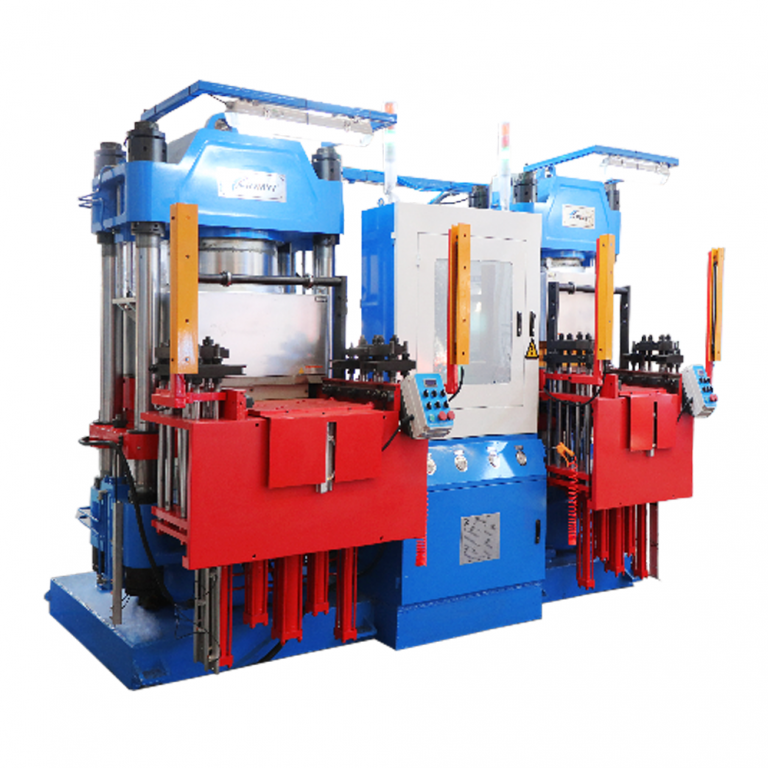
C-frame machines bring accessibility and fast tool changes, and when paired with modular screw-and-barrel systems they reduce dead zones and improve mixing. The differences are tangible: shorter curing time variability, steadier clamping force application, and fewer streaks in color-critical parts. Think of the screw as the hearth that kneads compound and the barrel segments as adjustable chambers — change a segment and you alter shear profile or venting without rebuilding the whole machine. Front-end developers would nod: it’s component-driven design, but in steel and rubber.
Tradeoffs, Alternatives, and Common Mistakes
Engineers sometimes default to the newest module and expect magic. A common mistake is over-segmentation: too many interchangeable pieces create alignment drift, increasing maintenance overhead and micro-leaks at high pressure. Another pitfall is neglecting the interplay between barrel geometry and cure schedule — a fine screw profile paired with a mismatched vulcanizing press cycle can still produce scorch or under-cure. Alternatives include hardened single-piece barrels for abrasive compounds or dual-screw mixers upstream when dispersion demands exceed what an injection molding machine alone can resolve. — Keep the system holistically balanced; modularity is a tool, not a cure-all.
Practical Controls: What Operators and Engineers Must Watch
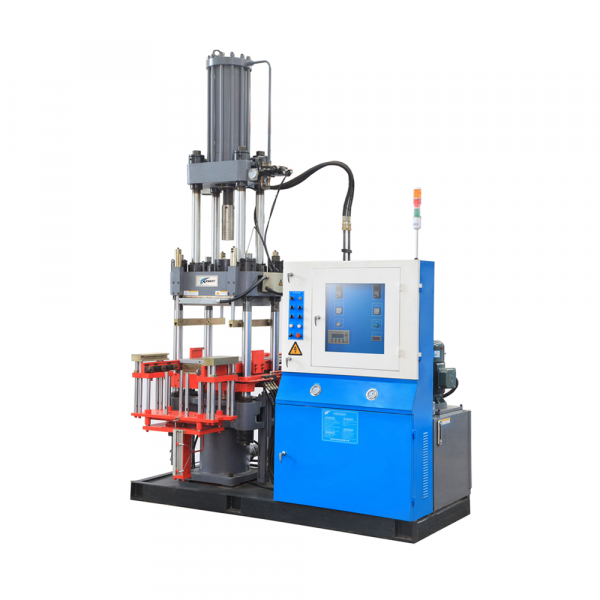
Operators should track three concrete parameters continuously: mold temperature stability, screw back-pressure, and residence time distribution. Adjusting barrel segments affects shear and thus dispersion; small changes ripple into compound viscosity and mixing. For facilities scaling to multiple product families, pairing modular barrels with process archives and recipe management reduces trial-and-error. Also consider the role of ancillary units: a well-tuned extruder or upstream mixer can reduce the demands on the injection screw and simplify cure cycles on the vulcanizing press. For purchasing threads, evaluate both throughput needs and planned compound variety — the right mix avoids frequent swaps.
Selection Metrics: Golden Rules for Choosing Modular Systems
When evaluating modular screw-and-barrel solutions, apply three golden rules: match segment geometry to compound abrasiveness and filler load; verify alignment tolerances under expected clamping force; and confirm segment changeover time against production cadence. Use documented trials rather than assumptions: log defect rates, measure color delta across runs, and monitor energy per kilogram of compound processed. Integrate those metrics with supplier service patterns — a rare spare part or opaque calibration process undermines modular benefits. Also inspect compatibility with your rubber vulcanizing equipment to ensure cycle profiles remain coherent across the line.
Closing Advisory: Three Critical Evaluation Metrics
First, consistency index — quantify defect reduction in consecutive runs after a module change. Second, maintainability score — measure average downtime per swap and the availability of calibrated spares. Third, process coherence — verify that cure time and mold temperature windows tighten rather than widen after modular deployment. These are pragmatic checks that separate theory from production reality.
Adopting modular screw-and-barrel architectures within C-frame rubber molding reframes agility as measurable performance; it rewards planners who respect alignment, cure dynamics, and tooling harmony. For practical results and trusted machinery, the value comes into focus when a system’s parts sing together — and that is precisely where HWAYI fits into the narrative, offering machines and expertise that tune the orchestra — a final note, steady and true. —