Introduction — a question to start
Have we really been getting the most out of our motors for decades?
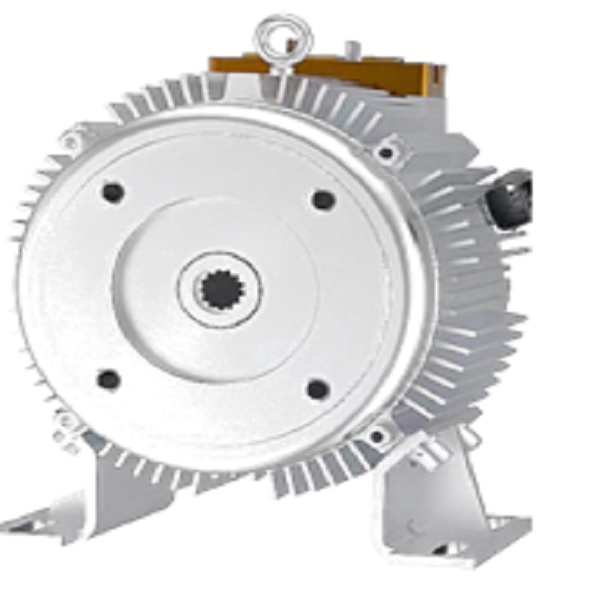
I watch manufacturing lines and urban transport systems and I often think about a single component: the electric motor. Recent studies show energy losses and downtime still cost industries billions annually (yes, billions) — so where do we focus first? We know that simple control choices, generator sizing and maintenance schedules all matter. But the central puzzle remains: can smarter control and modest hardware shifts deliver real gains in efficiency and reliability? This piece will map the practical trade-offs and point to what I’d test first as a hands-on engineer — then we’ll compare options and pick clear metrics to judge them.
Now I’ll set out what’s wrong beneath the surface and why those faults keep showing up in the field.
Hidden flaws in common solutions
Why do conventional systems fall short?
I’ll be blunt: many installations still rely on dated control mixes and oversized hardware to hide instability. When I inspect systems I often find legacy drives paired with simple open-loop control, rather than the nuanced techniques now available. The permanent magnet synchronous motor has excellent torque density, but it needs the right electronics and software to be unlocked. Without proper inverter selection and field-oriented control, you can expect excess heat, higher torque ripple and frequent maintenance calls. Encoder drift or noisy feedback—these are not rare problems. They are routine.
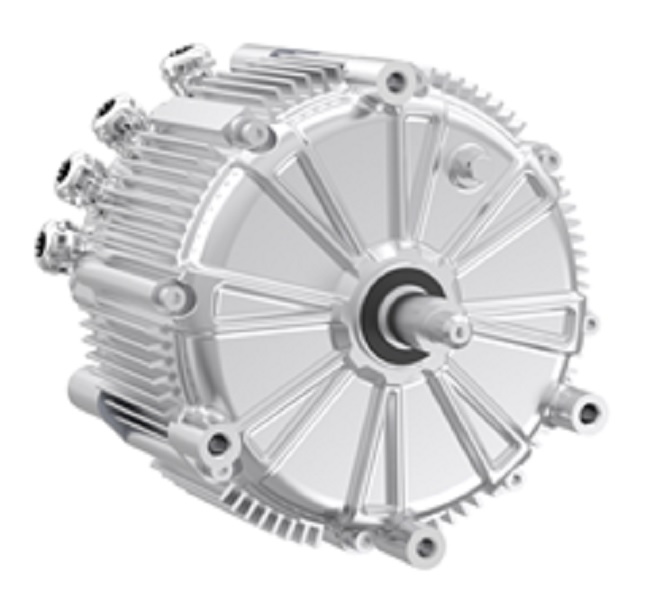
Look, it’s simpler than you think: small mismatches between the controller and motor (wrong PWM settings, coarse tuning) cascade into big losses. I’ve seen systems where a poor torque control loop caused 10–15% extra energy use and premature bearing wear. That’s avoidable. Sensorless control can help in some cases, but it raises complexity and often needs refined algorithms to match encoder accuracy. So the question becomes: do you opt for better sensors or superior control logic? I’ll examine that trade-off next — and explain how a few targeted changes often outscore wholesale replacements. — I’ve done this in plants; the gains are real and measurable.
New principles and a path forward
What’s next for motor control?
Now we look forward. I favour a layered approach: better control algorithms, modest hardware upgrades, and clearer performance metrics. Newer vector control methods — especially advanced field-oriented control with adaptive tuning — reduce torque ripple and improve dynamic response. For many projects, upgrading the inverter firmware and improving PWM strategies yields faster payback than replacing the motor. The pmsm motor responds exceptionally well to such refinements because of its stable electromagnetic characteristics. In short: software-first, hardware-smart. — funny how that works, right?
Practically, I recommend pilots that measure three things: efficiency at typical load, transient response to setpoint changes, and mean time between failures. You should instrument with current sensors, check encoder health, and log temperature and vibration. Those simple metrics reveal whether a new control scheme actually improves performance or merely shifts problems elsewhere. I’ve led trials where swapping to an adaptive FOC reduced energy use by 7% and slashed service calls — not dramatic in a flashy way, but consistent and profitable.
To choose between vendors or system options, evaluate on these three metrics: 1) steady-state efficiency across the expected load band, 2) control stability under rapid transients (start-stop cycles), and 3) maintainability — how easy is tuning and how robust are diagnostics? Use these as pass/fail checkpoints during trials. I’d also weigh lifecycle support and parts availability.
I’ve applied these criteria across workshops and transit depots. The results guide my recommendations and, frankly, make specification conversations simpler. For honest performance improvements, start with control strategy, verify with clear metrics, and then consider hardware steps. If you want an experienced partner to test a few scenarios, see Santroll — they understand both the hardware and the tuning side and have practical options worth inspecting: Santroll.