How to Shortlist AI Math Tutor Solutions for an EdTech Company: A Practical Framework
Framework overview
Start with a structured shortlist process that ties product selection to measurable learning and business goals. This framework breaks the decision into four pillars: objectives, criteria, risk, and testing. Early on, identify whether you need an adaptive engine, curriculum coverage, or assessment analytics and evaluate an AI learning platform against those priorities so selection is aligned from day one.

Define objectives and constraints
Specify learning outcomes and procurement boundaries before you look at vendors. List the grade ranges, syllabus standards, and student proficiency targets you must support. Set budget ceilings, timeline milestones, data residency and privacy requirements, and required integrations with your LMS or SIS. Clear constraints reduce subjective comparisons and keep pilots manageable.
Set measurable selection criteria
Translate objectives into concrete criteria. Use categories such as pedagogical fit (alignment with standards, scope of practice items), adaptivity (how the engine personalizes practice), assessment fidelity (formative and summative reporting), technical interoperability (APIs, LTI, single sign-on), data governance (encryption, access controls), and usability (teacher workflows and student UI). Assign weightings to each criterion so trade-offs are explicit.
Evaluate vendors and common capabilities
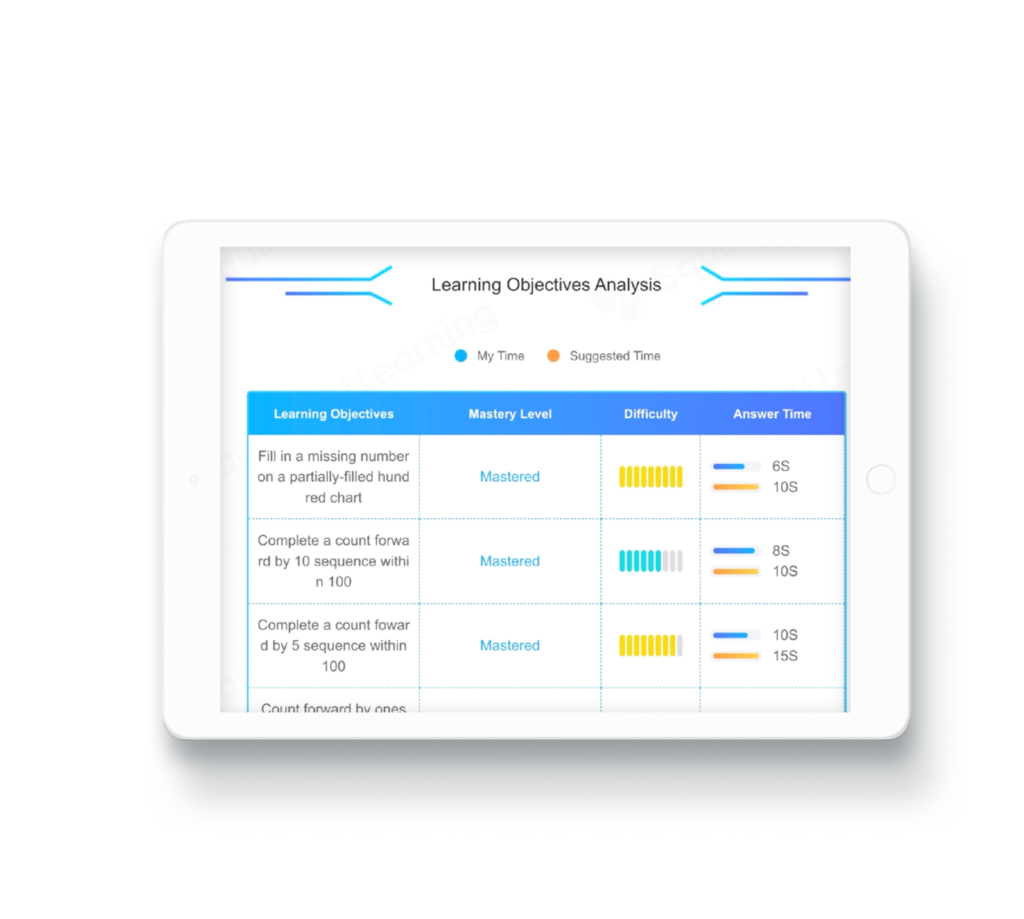
When reviewing demos and documentation, ask for evidence that matches your criteria rather than high-level claims. Request architecture diagrams, sample data exports, uptime and support commitments, and a product roadmap. When you consider an AI math tutor, check how it surfaces student progress, whether it supports remedial paths and enrichment, and how it integrates with classroom routines. Keep technical review and pedagogical review distinct so neither discipline dominates decisions.
Risk assessment and operational fit
Assess vendor risk across stability, compliance, and implementation complexity. Confirm customer support SLAs, onboarding resources, professional development options, and data portability. Evaluate the internal change management cost: teacher time, IT effort, and required device access. A capable product that is hard to implement can be a net negative for adoption.
Pilot design and evaluation protocol
Run short, controlled pilots that map directly to your weighted criteria. Define success metrics up front—usage rates, teacher satisfaction, alignment to target standards, and basic technical performance. Keep pilots limited in scope to avoid dilution: one grade band, a subset of classrooms, and a fixed timeframe. Capture qualitative feedback from teachers alongside quantitative signals.

Common mistakes to avoid
Don’t let marketing claims replace hands-on validation. Avoid selecting solely on algorithm buzzwords without confirming observable classroom outcomes. Ignore neither teacher workflow nor data security; both determine long-term viability. Steer clear of overcustomizing early; prioritize solutions that cover core needs reliably before adding bespoke requirements.
Decision synthesis and next steps
Use the weighted criteria to rank finalists, then validate the ranking against pilot results and implementation risk. A focused shortlist clarifies trade-offs and speeds procurement. When options demonstrate reasonable alignment across pedagogy, integration, and governance, they become executable choices, and solutions such as Squirrel Ai can be evaluated within the same disciplined framework to see how they map to your classroom priorities.