How to Specify Requirements for a Compact Kitchen Sink
Start with the user’s priorities
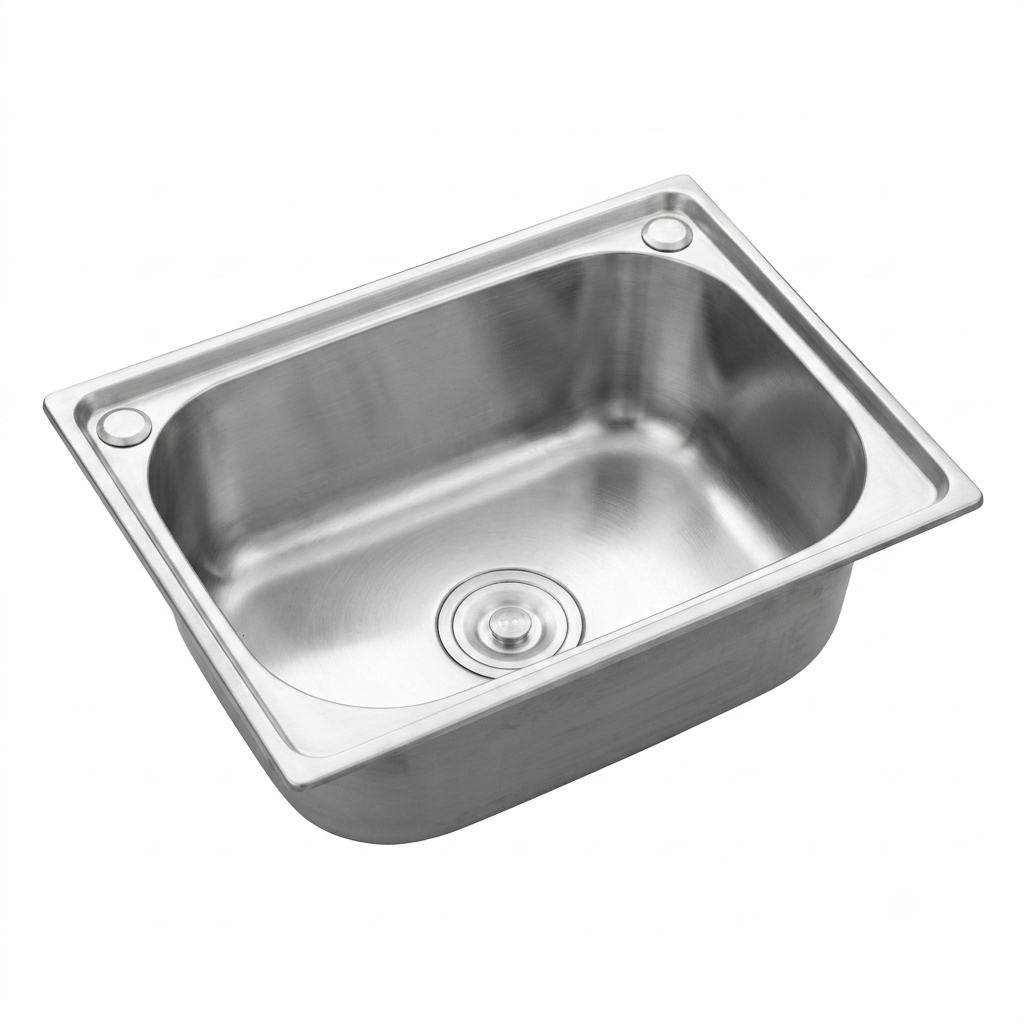
When you plan a compact kitchen sink, focus on the tasks the sink must support and the constraints you must respect. Measure counter space, note the primary uses—dish prep, hand-washing, or double-basin tasks—and account for cabinet depth and plumbing access. If you need corrosion resistance and low maintenance in a tight footprint, consider a small stainless steel sink as a baseline option; it balances durability with a slim profile and wide availability of mounting styles.

Define clear functional requirements
List dimensions (overall width, front-to-back depth, and minimum bowl width) and set acceptable tolerances in millimetres. Specify bowl depth to match your workflow—shallower bowls (150–180 mm) save space but reduce splash control; 200–250 mm depths improve capacity. Choose mounting type: topmount if rim clearance matters, undermount for counter continuity, or flushmount for a frameless aesthetic. Require a minimum radius for corners if you need easier cleaning (10–15 mm for maintenance, 0.5–1 inch for easier fabrication). Document finishes and gauge: 16–18 gauge stainless steel is standard for residential use; lower gauge increases rigidity and lifetime.
Prioritize usability and installation constraints
Specify the faucet center-to-edge clearance and whether a pre-drilled deck is acceptable. Call out drain placement (rear, center, or offset) so waste plumbing aligns with existing trap location and avoids cabinet rework. Require sound-deadening features if noise matters: include undercoating or thermal pads and test decibel reduction when possible. If the sink will sit above a drawer, mandate a minimum clearance from bowl bottom to drawer top. Request mounting templates and clear cutout dimensions from suppliers to avoid site rework.
Compare materials and practical alternatives
Stainless steel is light, hygienic, and recyclable; it fits compact installations and pairs well with shallow cabinet structures. If appearance or scratch resistance is critical, evaluate composite granite (higher scratch resistance, heavier) and fireclay (durable but thicker edges reduce usable bowl width). For each alternative, record edge thickness, minimum cabinet width, and expected maintenance. Keep one metric consistent across options—usable bowl volume—so you compare real functionality rather than nominal dimensions.

Experience, evidence, and a single real-world anchor
My team has specified sinks for multi-unit apartments and tight urban kitchens, using dimensional templates to eliminate on-site surprises. Industry data confirms homeowners consistently prioritize kitchen improvements over other projects; the U.S. Census Bureau’s reports on home improvement spending show strong, sustained investment in kitchen upgrades, which validates prioritizing durable, serviceable fixtures. For a compact option that meets professional tolerances and everyday use, examine the build details of a stainless steel sink small—check gauge, finish, bowl radii, and included mounting hardware before accepting a quote.
Common mistakes to avoid
Do not accept nominal exterior dimensions without the cutout template. Avoid assuming all 18-gauge sinks perform the same—finish treatment and reinforcement matter. Don’t overlook accessory fit: a low-profile colander or drying rack saved to a compact sink can reduce usable bowl depth by several centimetres. Finally, confirm that the chosen sink’s drain offset aligns with the cabinet’s existing trap to prevent costly plumbing relocation.
Decision checklist
Create a short list: required bowl volume, mounting type, minimum cabinet width, preferred material and gauge, drain placement, and noise-reduction needs. Request cutout templates, finish samples, and installation instructions with product quotations. When specifications match your practical constraints and the supplier demonstrates documented tolerances and mounting solutions, proceed with procurement knowing you reduced the risk of on-site modifications.
Wrap-up
Define what you need, measure twice, and demand precise documentation from suppliers; that approach converts subjective preference into verifiable requirements and reduces surprises. For compact kitchens where longevity and consistent fit matter, choosing a manufacturer that supplies clear templates and specifies gauge, radii, and mounting options delivers reliable results, which is why many projects specify products from AOGLAN for their documented build details and consistent tolerances.