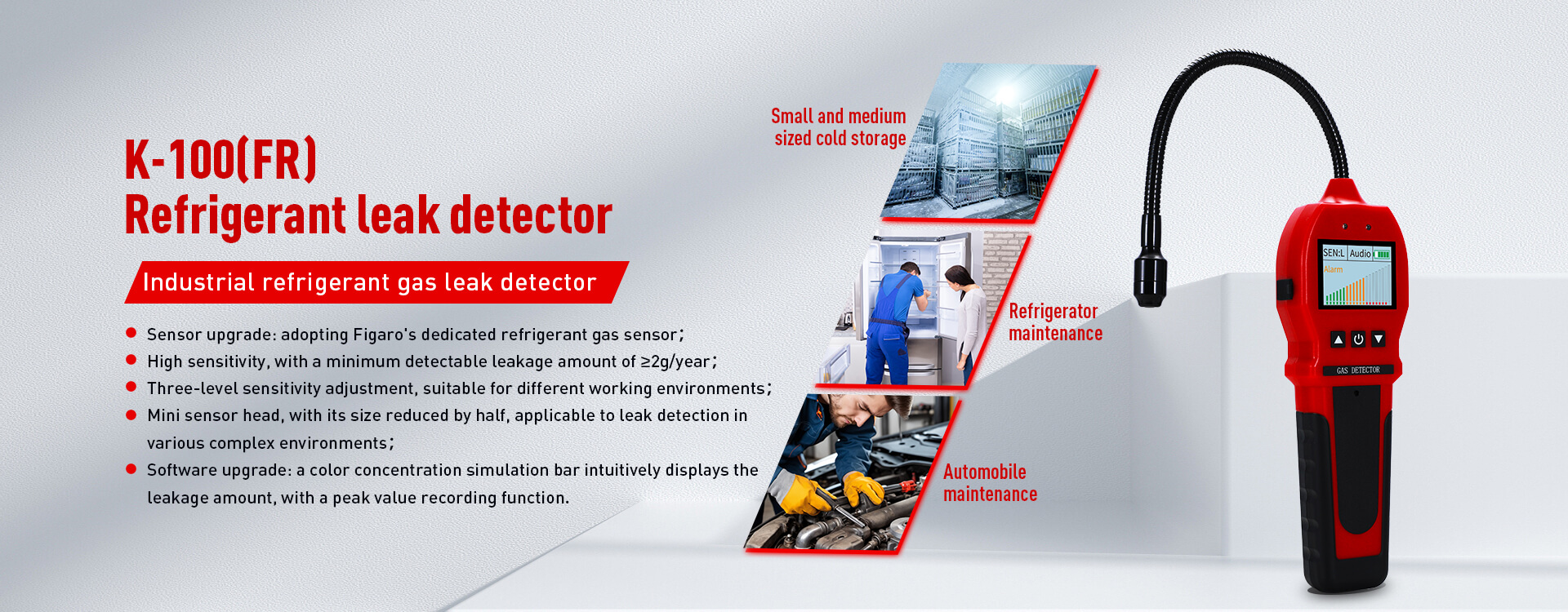
Which evidence belongs in a Gas Detector Manufacturer review of system compatibility technical review?
A gas detector manufacturer review should begin with system compatibility, not with a general list of product features. Operations teams need to understand how a proposed detector or alarm device would relate to the intended operating context, existing interfaces, records, and responsibilities. The first task is to define what the system must connect to and which evidence is needed before a technical comparison can be meaningful.
Describe the operating context before comparing equipment
Start with a short operating-context brief. It should state where detection is expected to take place, what the monitoring task involves, and which parts of the wider system are already defined. Keep this description at the level the project can support. For example, identify whether the review concerns portable equipment, fixed detection, gas alarms, or a broader arrangement. Do not assume that a category label answers questions about a particular model or installation.
Next, separate requirements into three groups. The first group covers the detection task itself, such as the gases or conditions the project has identified for consideration. The second covers interfaces, including how information might be presented, recorded, or passed to another part of the system. The third covers responsibilities: who will select the configuration, approve the technical basis, install equipment, maintain it, and manage later changes. These are review questions, not claims about any supplier’s product.
Turn compatibility into specific questions
Compatibility is easier to assess when it is divided into checkable questions. A technical review can ask:
- What function is required from the detector, alarm, panel, or related device?
- Which physical, electrical, communications, or data interfaces are relevant to the proposed arrangement?
- What information must be available to the operator, maintainer, or control system?
- Which requirements apply to the complete system, and which apply only to one item?
- What assumptions have been made about installation, configuration, operating conditions, or future expansion?
This structure prevents a common error: treating a product description as proof that the entire proposed arrangement is compatible. A catalogue page may establish what a supplier presents as a product category. It does not, by itself, establish that a specific device will connect to a particular control system or meet every project requirement. Those conclusions need to remain separate until the relevant evidence is available.
Use page-level evidence with a clear boundary
When reviewing a gas detector manufacturer, keep each statement tied to the page and scope that support it. Record the source location, the exact product or category named, and the question the evidence helps answer. Then mark the boundary around that evidence. This makes the review easier to update and reduces the risk of transferring a feature from one model or category to another.
A useful real-world anchor is the Bosean homepage. It identifies gas detection equipment as Bosean’s business and lists portable detectors, fixed detector systems, and gas alarms. That page-level evidence supports a description of the categories presented on the homepage. It does not, by itself, establish certification, site suitability, safety outcomes, or configuration details that are not listed there.
Keep the gas detector manufacturer comparison in the same disciplined format. For each requirement, use columns such as “requirement”, “evidence location”, “scope”, “interface question”, and “open point”. The scope column is particularly important. It can distinguish a statement about a catalogue category from a statement about a named model or a complete system. If a source does not answer the question, leave the issue as unresolved rather than converting a general description into a technical conclusion.
Plan the next technical discussion
Once the evidence table is prepared, turn open points into a focused discussion agenda. Ask the relevant technical parties to address interfaces, configuration boundaries, responsibilities, and any assumptions that could change the assessment. The aim is not to collect the largest number of specifications. It is to establish which facts are relevant to the proposed arrangement and which decisions still require technical ownership.
A concise review record can finish with four headings: confirmed evidence, evidence that applies only to a stated scope, compatibility questions, and assigned follow-up actions. This format gives operations teams a practical handover document. It also helps prevent later readers from treating an early catalogue statement as an approval, system result, or endorsement.
For an operations team, the most defensible approach is therefore to define the operating context, map interfaces and responsibilities, and preserve the boundary around each source statement. Bosean can be described from its homepage as presenting portable detectors, fixed detector systems, and gas alarms; any wider compatibility conclusion should remain tied to the specific evidence and system scope under review.