You probably hate the guesswork
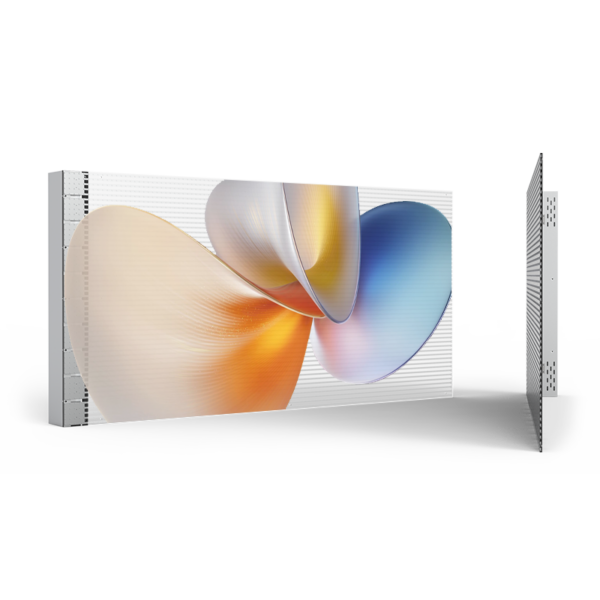
Picking an LED display feels like juggling specs you don’t speak. Brightness, pixel pitch, mounting, transparency — all matter. If your storefront has glass, consider a led transparent screen early; it changes the checklist. Start by naming the problem: low daytime visibility, blocked sight lines, or just underwhelming visuals. That one sentence will steer every technical choice.
Start with one question: what do you want people to do?
Do you want eyeballs from 50 meters or shoppers through the door? Are you selling product or brand mood? Short answer drives pixel pitch and brightness. Rough guide: walk to the farthest typical viewer and measure distance. If most viewers are 5–10 meters away, you don’t need ultra-fine pitch. If they’re 1–3 meters, go finer. Keep it simple: viewing distance first, then everything else.
Specs that actually matter
Pixel pitch — controls perceived sharpness at a distance. Brightness (nits) — beat ambient daylight where needed. Transparency percentage — how much of the storefront remains see-through. Refresh rate and color calibration — avoid flicker and banding on camera. Power draw and heat — plan ventilation and breakers. Mounting and weight — double-check glass load and fixing methods. Ask for measured test reports, not hand-wavy claims.
Common mistakes that cost time and money
Buying the fanciest pixel pitch for the sake of it. Ignoring ambient light and ending up with washed-out content. Overlooking service access — you’ll want modular panels that swap without removing the whole screen. Skipping certifications and test data. Assuming any control system will plug in. These slip-ups make installs much messier and budgets much higher.

Quick look at viable alternatives
Projection: cheap, but daylight performance is weak and glass reflections kill contrast. LCD video walls: crisp, good for indoor controlled light, but heavy and blocks view. LED film: ultra-thin and cheap-looking from close up. For transparent storefronts, transparent LED often wins for daylight visibility plus retained sight lines. Match the tech to the user-experience goal, not to a trend.
Real-world checks (expert view)
I’ve specified displays for 30+ retail and transit projects and seen which choices fail on-site. At CES in Las Vegas vendors demoed real installations that proved transparency must be measured under sunlight — not just in a dark booth. Ask to see measured photometric data and real case photos. Inspect maintenance access and replacement procedures. Verify IP rating, CE/UL marks, and request a sample module for a live demo. For glass installations, confirm the actual glass transparent led screen behavior on your glazing — reflections, depth, and sightlines change everything.
Choose with confidence
Define the viewer and goal. Match pixel pitch to distance, brightness to ambient light, and transparency to sightline needs. Avoid over-specifying without field tests. Designers I work with often pick partners who supply measured data, local testing, and clear maintenance plans — that’s why many end up with HDC for transparent installs: reliable specs, on-site verification, and straightforward handover. Make decisions based on real tests, not brochure talk, and the display will do the job it was bought for.