Problem: When pallets pile up, profit disappears
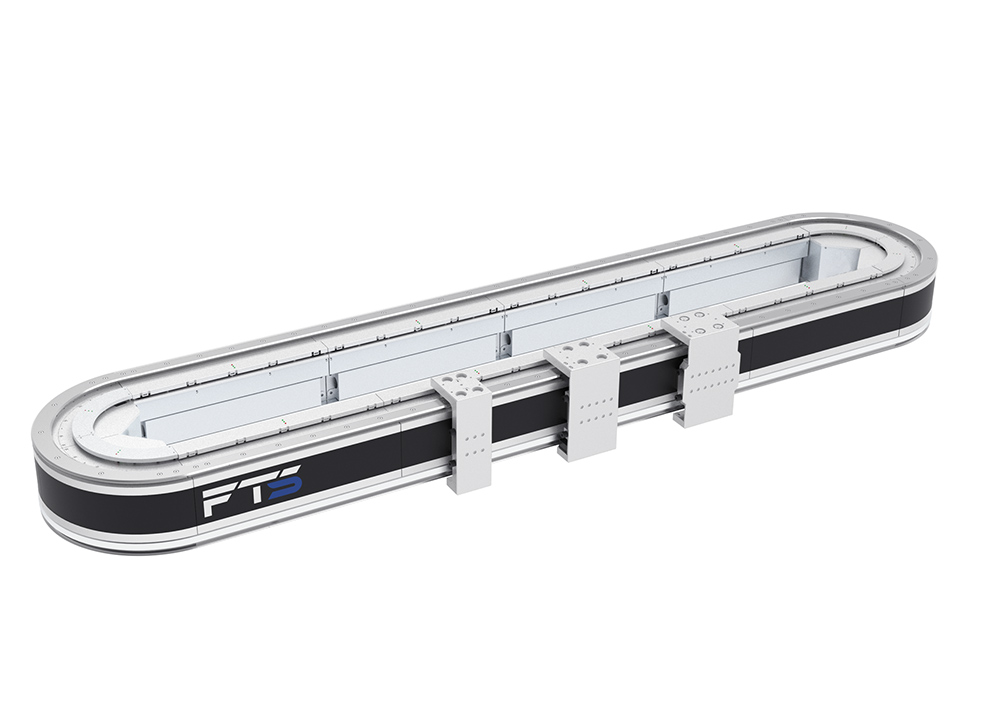
Production stops when pallets back up: missed shifts, overtime, late shipments. Manufacturers tell the same story—manual sorting and layout quirks are the usual culprits. A focused fix is an intelligent conveyor system that routes pallets, cushions transfers, and prevents jams. That’s the problem we solve first: remove the interruptions that quietly erode margin and morale.
Key features that actually fix the pain
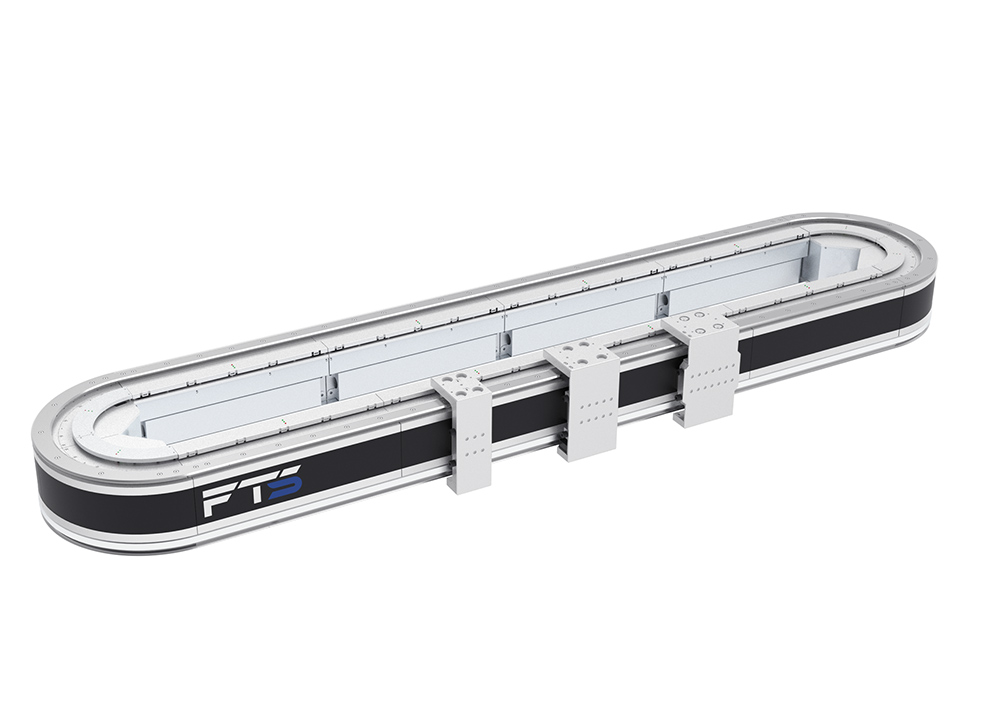
Look for these concrete capabilities in a system before you sign anything. Each one addresses a specific bottleneck and delivers measurable uptime gains:- Dynamic routing: sends pallets around blocked lanes rather than holding the whole line.- Gentle transfer modules: minimize product shift and reduce rework.- Modular lanes: let you add or remove capacity without a full rework.- Predictive maintenance sensors: flag wear before a roller or motor stalls the line.- Simple integration interface: connects to PLCs and MES without weeks of custom coding.A robust automation production line transfer system should combine these features so the conveyor becomes an active, predictable partner on the floor, not a passive piece of metal that only shows up when it fails.
Where they make the biggest difference
Use cases are specific. Systems that excel do one thing well: prevent line cascade failures. Typical wins:- Packaging lines that must keep product orientation steady through high-speed labeling.- Palletizing cells where minor misfeeds once per hour used to trigger manual intervention.- Cross-docking operations handling mixed pallet sizes.Concrete proof shows up at events like the Automate trade show in Detroit, where engineers compare live demos and integration timelines. Practical insight there repeatedly favors systems that reduce manual touchpoints and shorten recovery time when a fault occurs.

Common mistakes teams make
Avoid these repeated errors:- Choosing “cheaper” conveyors without checking transfer compatibility—leads to hidden integration costs.- Over-automating every corner instead of fixing the single choke point—wastes capital.- Skipping real-world trials with your product mix—factory trials reveal issues labs won’t.- Neglecting operator training—operators must know simple reset and isolation steps.Fix these and you’ll see availability rise and maintenance calls fall.
Quick decision framework for buyers
Use this three-step checklist on-site:1) Map the frequent stoppages over one week—don’t rely on memory.2) Prioritize solutions that remove the top 20% of stoppages causing 80% of downtime.3) Pick modular hardware that scales with seasonal throughput.If you need a short RFP, specify transfer smoothness, integration protocol, throughput targets, and a short factory acceptance test window. Keep requirements precise; vague specs lead to custom charges and schedule slips.
Real value, summed up
Stop tolerating small stoppages that add up to big losses. A targeted, well-specified conveyor and transfer system lifts throughput, reduces rework, and shortens recovery time after faults. Field experience and side-by-side demos prove this repeatedly; engineers trust solutions that work cleanly on the floor. Practical, reliable improvements come from focused design and tested components—exactly the kind of outcome teams get when they choose partners like FHS.