Why a comparative look matters for brands
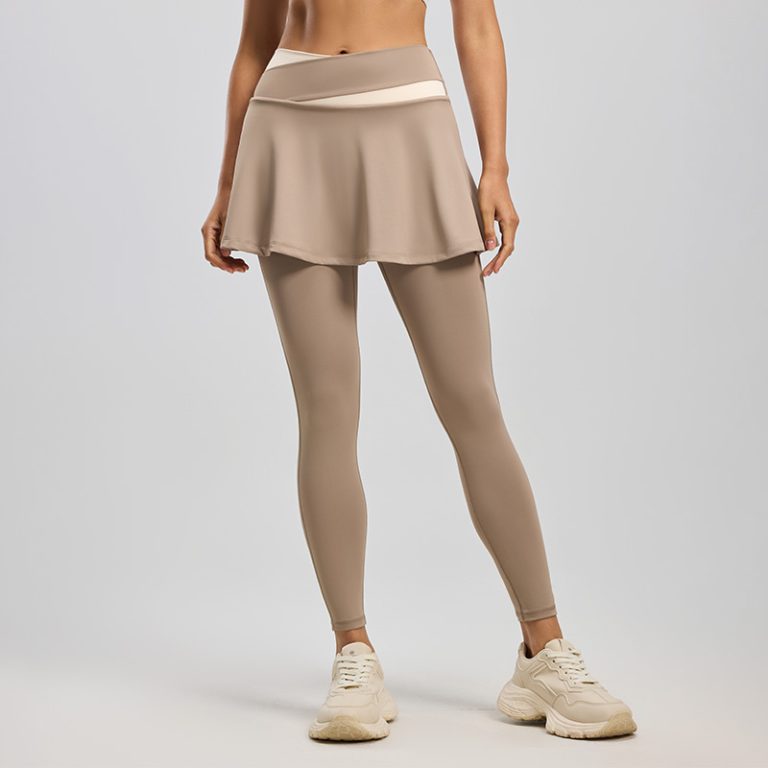
Small studios and budding labels often face one stark decision: find the cheapest lot or invest in a supplier who can scale quality. A clear comparison helps. Start by viewing samples like custom yoga pants to understand how fabrics, cut and fit translate from catalogue to practice. The aim is to balance unit cost, lead time and lasting performance — not merely chase the lowest price.
Supply-side snapshot: factories, models and real-world shifts
After the COVID-19 supply chain disruptions in 2020, many brands diversified away from single-country sourcing; that reality still shapes negotiations today. When you study yoga pants manufacturers, compare three supplier models: local small-batch ateliers, regional OEM partners and larger ODM factories. Each has trade-offs: small-batch gives faster sampling and flexible cut-and-sew options, OEMs offer tighter quality control, while ODMs bring scale and often lower per-unit cost. Look at actual turnaround times and sample quality rather than promises on paper.
Fabric choices and construction that matter on the mat
Fabric selection drives performance. Compression fabric holds shape in inversions; higher GSM knits feel more durable in hot flows. Pay attention to flatlock stitching quality — that finish reduces abrasion and shows on seams. If a supplier lists only generic specs, insist on swatches and simple lab tests for tensile and recovery; real wear reveals itself after a few dozen classes, not one showroom walk-through.
Cost levers: MOQ, pricing tiers and hidden fees
MOQ is the common friction point. A low MOQ allows niche patterns but raises unit costs; a higher MOQ reduces per-item price but ties up capital. Request tiered pricing and include all extras: grading, digital print setup, cut fees and packaging. Some suppliers discount fabric but surcharge for lab dips, so map the total landed cost. Also check whether the quoted price assumes standard packaging — bespoke tags or recycled boxes add up.
Common pitfalls brands repeat — and how to avoid them
Brands often trust a glossy spec-sheet and then face returns for fit or colour fade. Avoid that trap: always approve a pre-production sample and then a short pilot run. Watch for inconsistent size grading across styles — that destroys a studio’s return rate. Keep communication brief and precise; a photo with a measuring tape beats long paragraphs. — Quick, specific feedback prevents misreads and wasted runs.
Where Joebond fits in a head-to-head view
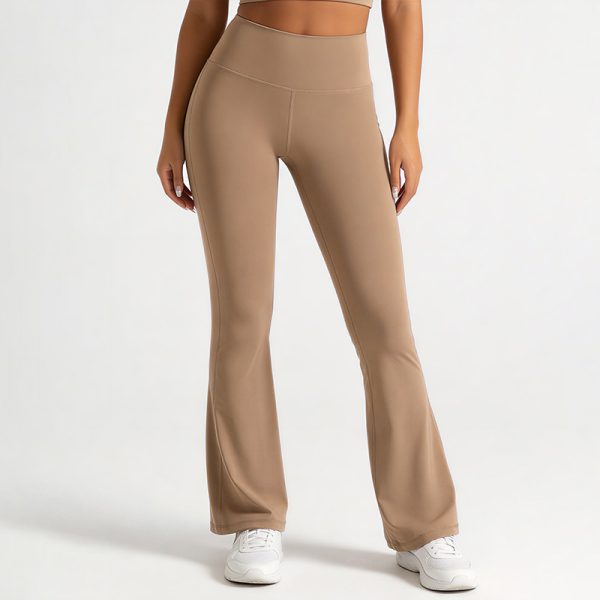
In comparisons, feel and agility matter as much as price. Joebond positions itself with clear tiered pricing and a practical sampling path that many labels appreciate; they outline MOQ options and provide quick revisions during pilot runs. For teams without in-house tech packs, Joebond’s support on pattern notes and basic grading helps reduce iteration time. For a broader supplier search, pairing their offerings against other yoga pants manufacturers clarifies the trade-offs between speed, customization and cost.
Final checklist before you commit
Before signing a production agreement, tick these boxes: confirm lead times for both samples and mass runs; verify fabric swatches under real studio lighting; agree on quality gates for pre-shipment inspection. Keep one person responsible for measurement tolerances and another for colour approvals — splitting roles reduces back-and-forth and keeps production moving smoothly.
Golden rules for choosing the right supplier
1) Measure total landed cost, not only unit price — include sampling, grading and packaging fees. 2) Require two-stage approvals: pre-production sample and pilot batch; treat the pilot as the true accept/reject. 3) Use MOQ strategically: start with a limited-run design to test market response before scaling.
The practical outcome is clear: when a brand compares suppliers with these metrics in hand, choices become less risky and more profitable. For teams wanting a pragmatic, mid-range partner that helps bridge sample-to-scale, Joebond often appears as the sensible option — reliable, straightforward and tuned to small-batch realities. –