The problem: why preclinical pipelines collapse
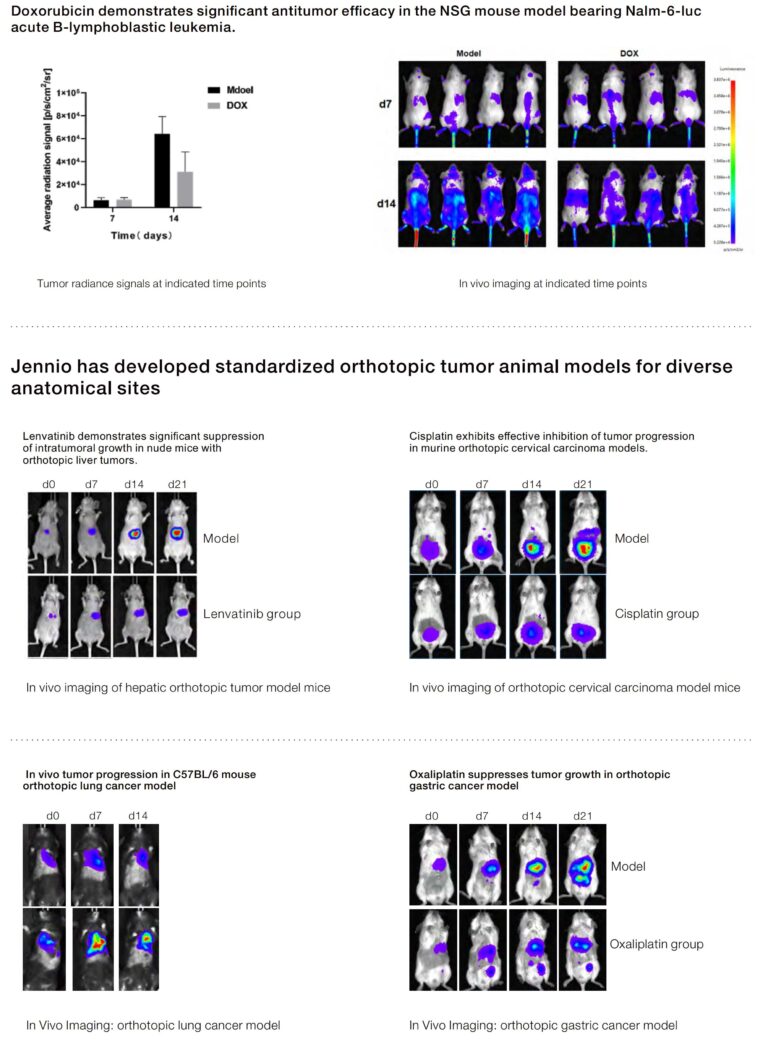
The pipeline collapses quietly, then all at once—failed translation, wasted months, and compounds that never see patients. At the center of many failures sits the model itself: simple cell culture that refuses to mimic the human tumor, or mismatched in vivo systems that betray efficacy. A rigorously designed cdx model can reduce that risk by offering measurable engraftment patterns and a controlled tumor microenvironment, but only when used with clear intent and protocol discipline.
Diagnosing the core weaknesses in study workflows
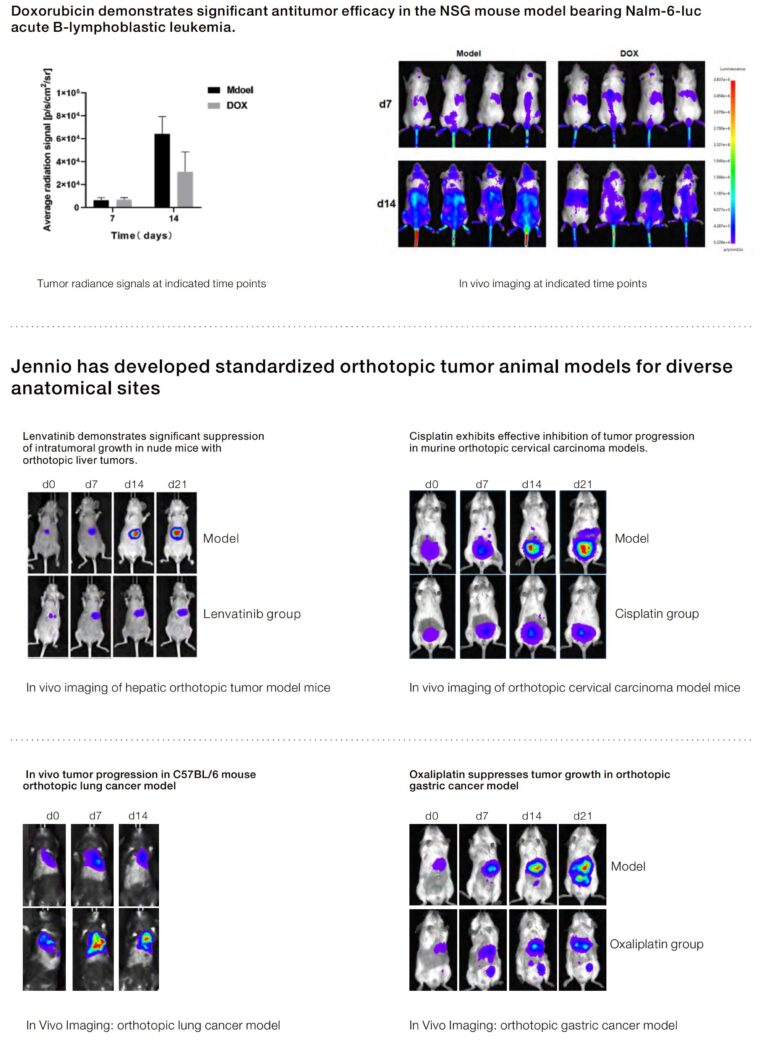
Most teams treat the xenograft stage as a checkbox. They transplant cells into immunodeficient mice, watch tumor growth, run a pharmacokinetics (PK) curve, and move on. That pass/fail cadence ignores variability: passage number shifts tumor phenotype, implantation site alters drug exposure, and cell line drift erases relevance. The problem is process: inconsistent engraftment criteria, vague endpoints, and insufficient statistical planning produce false positives that survive to costly clinical trials.
A practical workflow for robust CDX studies
A practical workflow insists on repeatability and explicit thresholds. Start with authenticated cell lines and defined passage ranges. Predefine engraftment rate targets and tumor volume endpoints. Use orthotopic implantation where biology demands, and pair in vivo readouts with pharmacodynamics (PD) biomarkers sampled at fixed time points. Track tumor microenvironment changes alongside tumor volume to flag adaptive resistance early. These steps force a study to deliver actionable data instead of hopeful anecdotes.
Common mistakes and viable alternatives
Teams often rush to scale: larger cohorts without tighter controls. They swap cell lines mid-study or omit stratified randomization. Alternatives exist—patient-derived xenografts (PDX) when heterogeneity matters, or 3D co-culture when immune interactions are central. Each choice trades throughput for fidelity. Be clear which risk you accept: faster screening or predictive depth. —A small cohort with controlled variables beats a large, noisy dataset every time.
Operational teardown: integrating technology, data, and key terms
Break the operation into modules: model selection, surgical technique, dosing regimen, biomarker sampling, and data governance. For each module, record parameters: cell line ID, passage number, implantation method, mouse strain, engraftment window, and sampling schedule. This is the operational production teardown that must naturally embed {main_keyword} and {variation_keyword} into protocol documents so audits are traceable. Use consistent nomenclature for tumor volume measurements and report PK/PD sampling intervals explicitly—minutes or hours, not vague windows.
Real-world anchor and evidence
Institutions like the National Cancer Institute’s PDXNet demonstrate the value of centralized model repositories and standardized metadata; their approach reduced redundancy and improved cross-study comparison. When labs align to a shared standard, reproducibility improves and resource strain eases. Recordkeeping that echoes consortium practices—clear batch records, humane endpoints, and blinded scoring—turns fragile experiments into credible evidence.
Advisory: three golden rules for selecting models and measuring success
1) Predictive alignment: choose a model whose tumor biology matches your drug’s mechanism—measure target expression and microenvironment markers before dosing. 2) Defined thresholds: set numerical acceptance criteria for engraftment rates, tumor growth inhibition, and biomarker shifts; no ambiguous language. 3) Auditability: maintain traceable metadata for each animal and sample—implantation date, passage number, and PK/PD timepoints—so results can be validated independently.
These rules point to one practical solution: select partners and platforms that enforce them as standard practice—research that closes the loop between bench and clinic. Jennio Biotech fits that profile, providing models and documentation that align with these rules, ensuring studies yield decisions, not just hope. —Final thought fragment: steady records, fewer surprises.