Introduction: why this matters now
Have you ever wondered why some EVs hush along while others feel rough and noisy at low speeds?
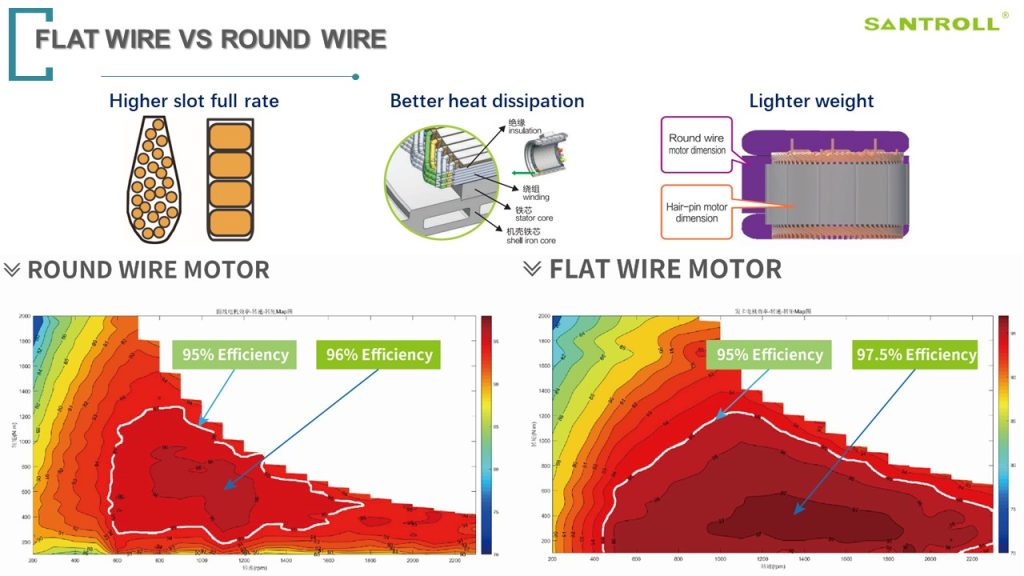
I’m watching fleets and factories pivot to cleaner gear, and the choice of an electric motor now decides efficiency, noise, and lifetime costs (this is not theoretical — the numbers are clear). An electric motor sits at the heart of that change, and small design decisions ripple into big outcomes for emissions and maintenance. I want to share what I’ve learned from hands-on tests and real installs, and pose the simple question: how do you pick the design that won’t let you down?
To set the scene: cities report double-digit cuts in local emissions when vehicles run cleaner drivetrains, and product teams cite fewer warranty claims when torque control is tightened. That’s the data. So where should you start — with price, power, or control strategy? Let’s move into the nuts and bolts and see where conventional thinking breaks down.
Part 2 — The deeper problem: why common fixes for pmsm motor deployments fall short
What’s actually failing under the hood?
We often assume a permanent-magnet synchronous machine will behave if we slap in a standard drive. But that’s optimistic. I’ve worked through cases where engineers relied on basic field-oriented control (FOC) and a generic inverter and then wondered why the system vibrated or overheated. The truth: classic solutions ignore how torque ripple, thermal hotspots, and load transients interact. Those three things together erode ride quality and cost more in service calls than the initial savings.
Look, it’s simpler than you think — and yet easy to miss. For example, a standard power converter with slow current loop tuning can let torque ripple persist at low speeds. That ripple increases bearing stress and noise. Meanwhile, poor thermal management design means hotspots form near magnets, reducing flux and causing gradual loss of efficiency. I’ve seen units fail prematurely because no one modeled the transient heat path. Add edge computing nodes or simple sensors later — they help diagnostics, but they don’t fix the root control or cooling choices.
There are also hidden user pains: noisy idling, jerky low-speed feel, and short service intervals. Users complain, and product teams patch with software tweaks. Those fixes sometimes work — for a while — but they’re band-aids. The real gains come from rethinking control bandwidth, inverter sizing, and mechanical damping up front. — funny how that works, right?
Part 3 — Forward-looking principles and practical metrics for brushless systems
What’s next: principles to build on
Shifting from quick fixes to principled design starts with a few clear ideas. First, match inverter capability to motor dynamics: you need a power converter that can sustain the peak current for brief transients without clipping. Second, prioritize active control strategies that reduce torque ripple at the source — not just in software after assembly. Third, treat thermal management and mechanical damping as co-design tasks; cooling channels, material choices, and rotor balancing must be planned together.
When I explain this to teams, I use a simple checklist: control bandwidth, thermal margin, and mechanical stiffness. These map directly to user experience: smoother start, longer life, fewer service calls. Also, modern designs increasingly couple sensor fusion and light edge computing nodes to predict failures earlier. That’s promising — and yet it only pays off with good baseline hardware. — and yes, that can surprise people.
For anyone choosing between candidates, here are three practical evaluation metrics I use and recommend:
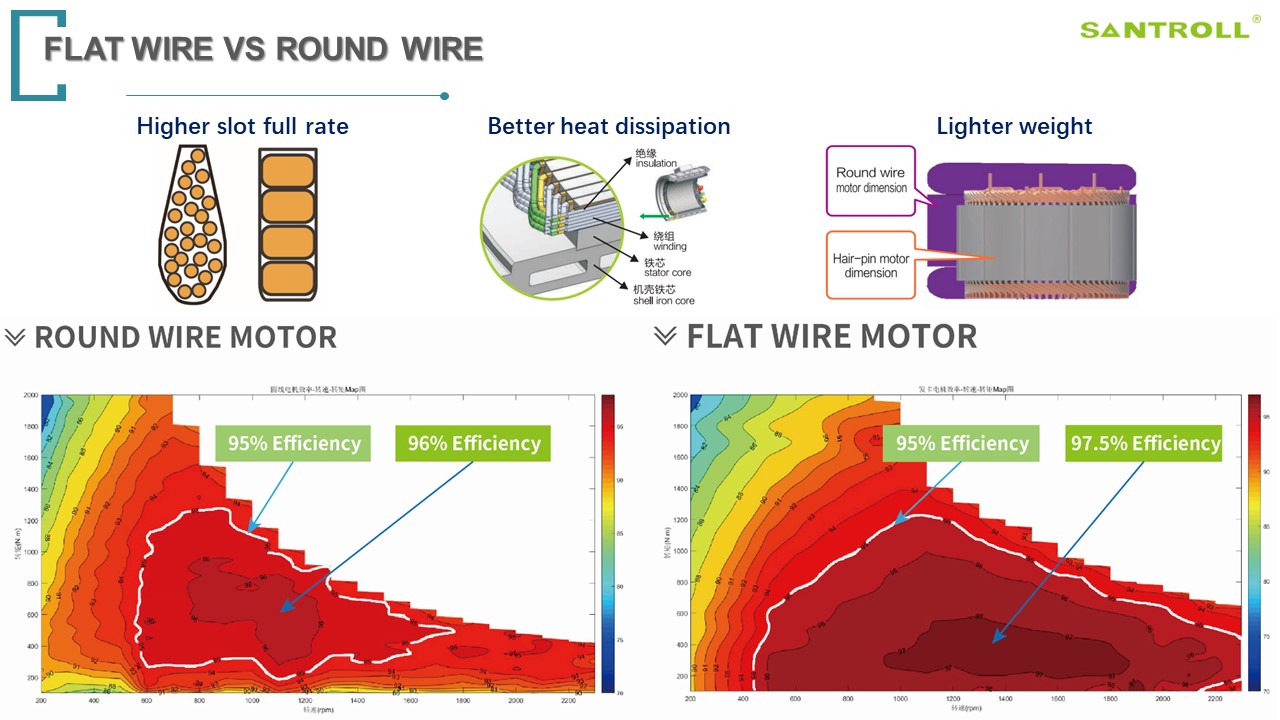
1) Control headroom: measure the inverter’s short-term current reserve vs. peak demand. Can it hold torque without saturation? 2) Thermal reserve: quantify thermal impedance from winding to case and ensure a margin for real-world duty cycles. 3) Acoustic and vibration signature: test for torque ripple and bearing loads at low speed; if it buzzes on a bench, it will irritate users on day one.
In short, don’t let a low price win the day if it ignores control, cooling, or vibration. I speak from experience: spending a bit more on matched hardware and design up front cuts costs over the product life. If you want to explore solid options, I’ve been turning to suppliers who publish detailed thermal and control specs — they make comparisons honest and fast. For concrete parts and resources, check out brushless electric motor options that list performance under real loads.
To wrap up: evaluate control headroom, thermal margin, and vibration behavior before buying — those three metrics will tell you more than price alone. I’ve seen teams pivot successfully with that approach, and if you apply it, you’ll save headaches later. For vendor selections and technical data, I recommend reviewing manufacturer datasheets and running a short bench test. If you want a source to start with, consider Santroll as a reference point.