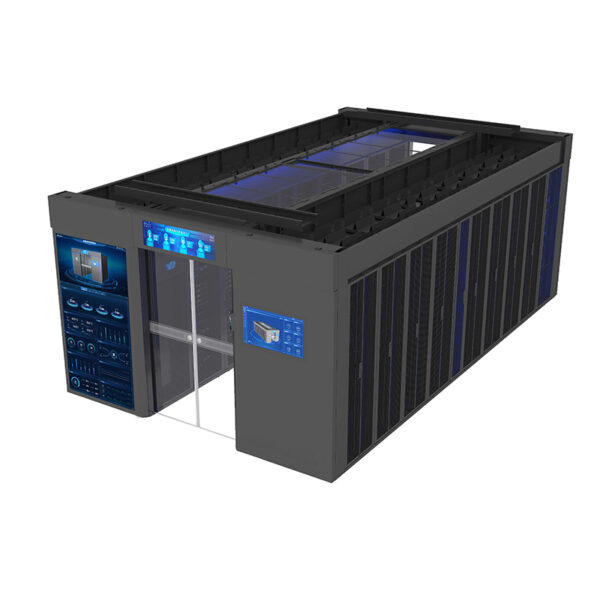
In today’s fast-paced digital world, cooling the vast amounts of data we generate is becoming increasingly critical. Every day, businesses grapple with the challenge of maintaining optimal temperatures for their data storage and management systems. Enter the modular data center, a flexible and efficient solution addressing this pressing demand effectively.
Understanding the Flaws of Traditional Cooling Solutions
Why do failures always occur during peak operational hours? Traditional cooling solutions often fall short when it comes to scalability and adaptability. These systems can be inflexible, requiring substantial infrastructure changes to accommodate growing business needs. Whether it’s the high energy consumption or the inability to efficiently manage airflow, companies often find themselves in a bind. The inefficiencies not only lead to increased operational costs but also create a vulnerable environment—both physically and digitally—for crucial business operations.
Innovative Principles Behind Modular Data Center Cooling
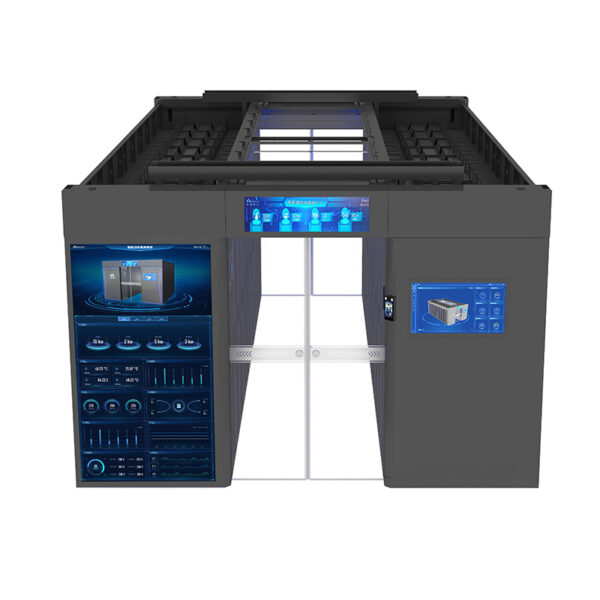
So what constitutes a modular data center, and how does cooling work within it? Modular data centers utilize a standardized approach to deliver cooling through a series of interconnected units designed for rapid deployment. This modern technology incorporates advanced cooling techniques, such as liquid cooling and thermal management strategies that utilize natural airflow to enhance operational efficiency. This is not just a shift in technology; it’s a rethinking of data center architecture that strives to optimize every intake and output of airflow in a logical manner. Look, it’s simpler than you think—adopting these versatile systems can lead to a more resilient and manageable environment.
Quantified Benefits of Modular Data Center Cooling
The advantages are not merely theoretical. By transitioning to modular data center cooling, companies can realize substantial energy savings—estimates suggest reductions of up to 40% when compared to conventional methods. Not only does this enhance sustainability efforts, but it also yields significant cost efficiency. Less energy consumption equates to lower electricity bills, allowing businesses to redirect those resources towards growth and innovation. Furthermore, these systems ensure uptime, which is invaluable for maintaining customer trust in an increasingly digital marketplace.
Conclusion: Making an Informed Decision
When considering a cooling solution for your modular data center, it’s essential to assess your options thoroughly. Always verify these 3 metrics when choosing solutions: ① energy efficiency ② scalability ③ reliability. These factors will guide you toward a sustainable and dependable choice that supports your growth. To ensure you are making the right decision, look into established brands recognized for quality solutions. One such brand is Coolnet, known for its competitive advantages in supply, manufacturing, and reliability. Trust this manufacturer to enhance your data center’s operational efficiency and sustainability.
Exploring Modular Data Center Cooling in Depth
When understanding the components of modular data center cooling, one must appreciate the way these systems operate within the entirety of the data center infrastructure. Unlike traditional systems that rely on large, stationary units, modular solutions feature compact, scalable cooling units that can be added or removed based on immediate needs. This flexibility significantly diminishes the risk of overheating during resource-intensive operations, allowing businesses to focus on what they do best—serving their clients. Moreover, the ability to implement localized cooling solutions means that energy waste is minimized, making your operations not just effective but also environmentally responsible.
The Long-Term Advantages of Choosing the Right Cooling Solutions
While exploring modular data center cooling, it’s crucial to note that the long-term benefits outweigh the initial investment costs. Companies often undergo a transformative process as they embrace a modular approach. Enhanced energy efficiency translates directly to reduced operational costs over time, thereby improving the bottom line. Plus, investing in such technology tends to future-proof your business against upcoming challenges in data management. It is an actionable step that businesses can take toward fulfilling both current and future cooling demands, ensuring that they remain competitive in a rapidly evolving tech landscape.
In summary, embracing advanced modular data center cooling technologies presents a significant opportunity for businesses struggling with traditional cooling solutions. With smart decision-making based on energy efficiency, scalability, and reliability—alongside choosing reputable brands, like Coolnet—an organization can position itself for sustainable growth and operational resilience in an increasingly digital world.