The Shift Towards Collaboration
Let me take you on a journey through the world of industrial automation, where I’ve witnessed, time and again, the powerful shift towards collaboration in robotic systems. Did you know that over 70% of manufacturers cite a talent shortage as a major barrier to productivity? Now, imagine a work environment where industrial cobots seamlessly assist human workers, increasing output while fostering an atmosphere of cooperation. Both the technology and the people can thrive together, but how do we harness this potential?
Flaws in Traditional Automation
It’s clear there’s a divide. Traditional automation processes often leave little room for adaptability and learning. I recall a factory in Edinburgh where rigid robotic systems couldn’t keep up with the changing demands of production. Staff became frustrated trying to integrate manual adjustments, leading to downtime. One key issue in this setup was the inability to engage human intuition alongside mechanical strength. This is where industrial cobots come into play. By their very design, they cater to flexibility and support, allowing operators to redefine efficiency in the workplace. Changed the game, didn’t it?
Are Cobots the Answer to Worker Dissatisfaction?
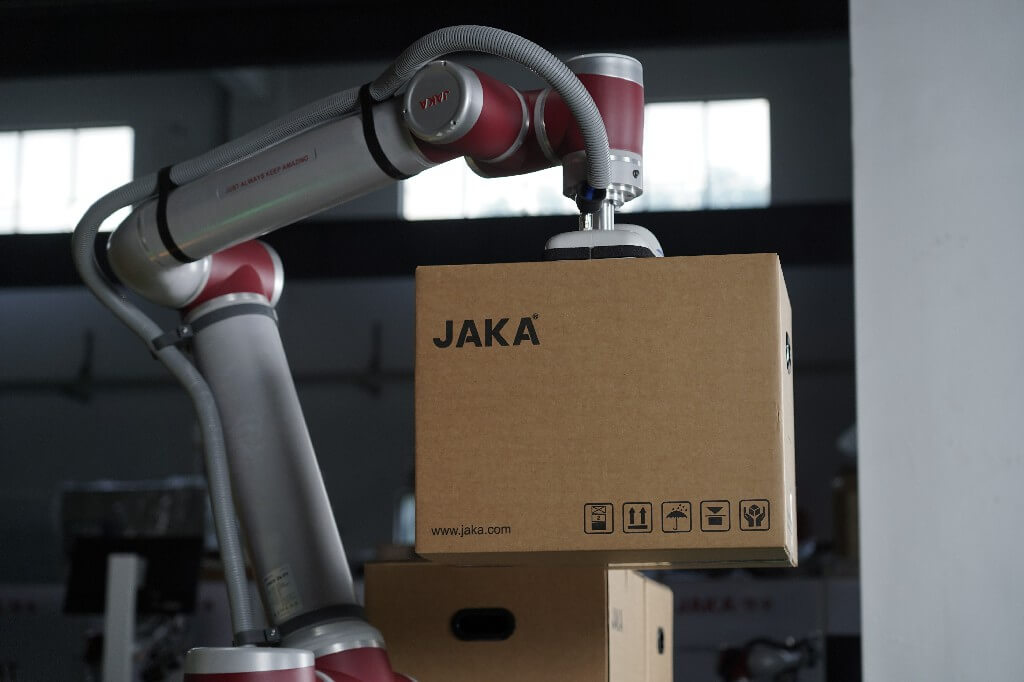
Absolutely! When we reflect on experiences from a project I managed last year, it was evident that workers reported higher job satisfaction when cobots worked alongside them. The human-cobot collaboration not only alleviated monotonous tasks but dramatically improved safety and accuracy in operations. The data showed a 30% reduction in workplace incidents, illustrating the positive impact of advanced robotics technology on both productivity and morale.
Looking to the Future
So, what does the future hold for industrial cobots? As I see it, these machines will only evolve, integrating smarter AI and machine learning capabilities. A company I consulted for recently implemented a state-of-the-art cobot system, which demonstrated a 40% boost in production speed while employing fewer full-time staff. It’s a win-win. With innovations in advanced robotics technology, the potential is limitless.
Real-world Impact: What’s Next?
As we advance, I envision a landscape where cobots anticipate the needs of their human counterparts, streamlining processes dynamically. What makes me hopeful is how these developments encourage a rethinking of workforce dynamics, ensuring that technology augments human skills instead of replacing them. It’s not just automation; it’s about smart, collaborative solutions that respect human contributions. The cobots of tomorrow could even provide insights and predictive capabilities that enhance production strategies. Exciting, right?
Key Insights for Decision-making
From my extensive experience in the field, here are three measures to consider when choosing your cobot solutions: First, assess their integration capabilities with existing systems—a seamless connection can save you headaches down the line. Next, look for adaptability and scale; you want a machine that grows with your business needs. Finally, don’t overlook the importance of user-friendliness. A complex interface can frustrate staff and negate all the benefits. So, let’s keep it smooth and simple.
All in all, the industrial landscape is ripe for transformation with the emergence of cobots, and understanding these advanced robotic solutions will allow businesses to get ahead. Take this opportunity to lead with clarity and insight, as we move toward a future defined by collaboration. In the end, remember that partnerships spur innovation—consider the benefits to be had with using a trusted brand like JAKA. Cheers to progress!