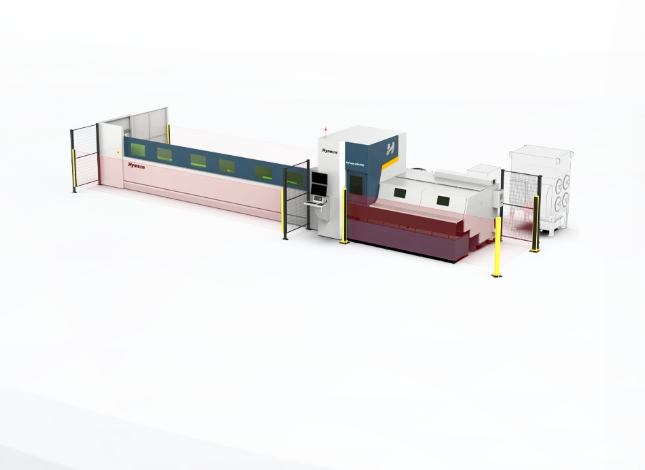
A practical, comparative insight into choosing steel profile cutting machines
Comparative snapshot
Start by lining up what matters: precision, speed, cost and the shapes you routinely cut — this comparison will show where each technology wins and where it fails. If you already favour lasers for thin-gauge, account for real production factors and check providers early; a reliable laser cutting machine manufacturer can save weeks in commissioning. Think in terms of trade-offs rather than absolutes.
Cut quality and profile fidelity
Fiber lasers produce narrow kerfs and minimal dross, so they keep tight tolerances on thin-to-moderate section profiles. Plasma leaves a wider heat-affected zone, which can distort thin sections and demands more post-processing on bevels. Waterjet cuts without thermal effects — ideal for stainless and coated steels where you cannot alter metallurgy, but it rounds corners and struggles with very thin, sharp profiles. Choose by required edge finish and whether you need true square cuts on thin flange edges.
Throughput and material range
If you cut high volumes of thin-to-medium carbon steel profiles, fiber lasers outperform on cycle time and nesting flexibility. For very thick plate or open-section beams, mechanised oxy-fuel or high-definition plasma still handle gross removal faster and at lower immediate capital cost. Waterjet covers the broadest material range but is slower per cut; it’s efficient when variety, not speed, drives production.
Cost of ownership and consumables
Upfront, plasma systems tend to be cheaper than lasers. Over time, fiber laser efficiency reduces per-cut cost for many shops because of lower gas demand and fewer nozzles. Waterjet carries high abrasive costs and garnet supply chain risk. Factor in electrical tariffs, compressed gas supply, and expected cutting-hours per week. Run a two- or three-year cash-flow model rather than relying on purchase price alone.
Automation, software and skill needs
Modern laser systems integrate nesting, scheduling and part-tracing; that reduces operator load but raises the bar on software fluency. Plasma and oxy-fuel setups can be simpler to train for basic operation, yet achieve consistency only with experienced operators. Maintenance for lasers focuses on optics and cooling systems; plasma needs torch and consumable swaps. Plan for training, spare stock and a defined preventive maintenance rhythm.
Supplier credibility and field evidence
Evaluate suppliers by onsite demonstrations, spare-part logistics and documented return-on-investment from comparable shops. I’ve seen clients change course after comparing test cuts at shows such as FABTECH in Chicago, where machine behaviour under production cadence becomes obvious. Confirm warranties and response times, and test the actual profiles you cut rather than relying on glossy specs; look for a validated fiber laser cutting machine supplier who publishes cut samples and reference customers in your region.
Common mistakes when choosing
Do not buy purely on peak power ratings; they mislead on effective cut thickness and edge quality. Avoid selecting equipment without checking local service availability and spare-part lead times. Don’t ignore downstream processes — a machine that saves time on the table but forces hours of manual de-burring can cost more overall. Finally, avoid over-specifying capacity you won’t use for years; underused high-end gear wastes capital.
Short evaluation of viable alternatives
Plasma: good value for thicker structural sections and faster rough cuts, poorer edge finish. Oxy-fuel: cost-effective for very thick mild steel where thermal finish is acceptable. Waterjet: best for non-thermal cuts and mixed materials, slower with higher consumable spend. Fiber laser: superior for clean, fast cutting of thin-to-medium profiles with low consumable overhead when supported by local service.
Conclusion
Compare machines against your actual profiles, shift schedules and post-processing tolerance. Prioritise supplier responsiveness, test cuts under production-like loads, and model operating costs for at least two years. When the technical fit and service match your requirements, the choice becomes operationally obvious — and that practical fit is what firms find with Hymson.