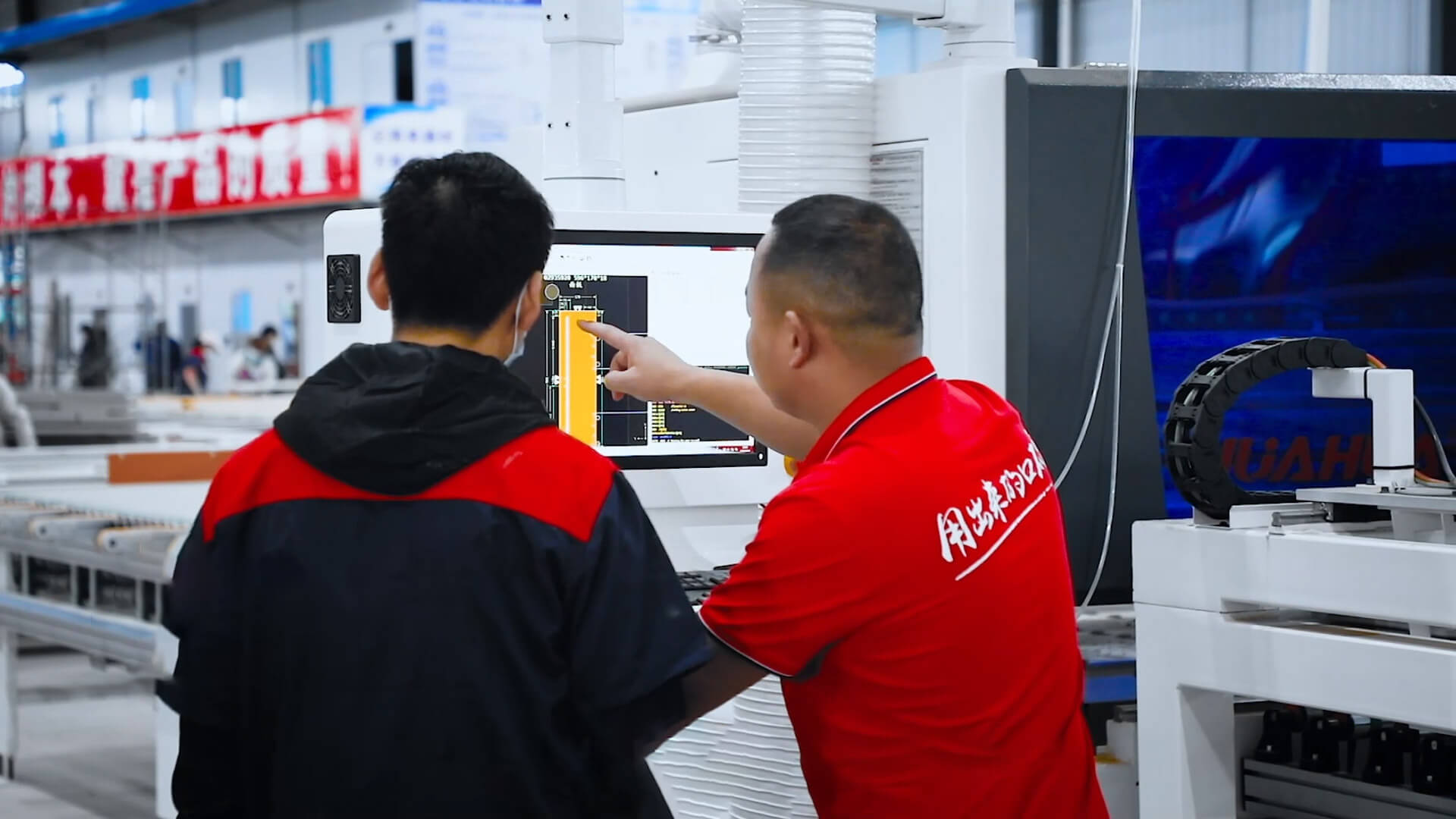
The urgent problem: your shop can’t afford mistakes
Your cabinet orders pile up while miscuts and wobble steal time and profit. You need a machine that doesn’t make promises — it delivers parts that fit the first time. A reliable cnc woodworking machine should feel like a trusted craftsman: steady, predictable, and precise. When a router dithered on a profile or a table drifted between passes, I watched whole jobs unravel. That failure pattern is the problem you must solve before signing a purchase order.
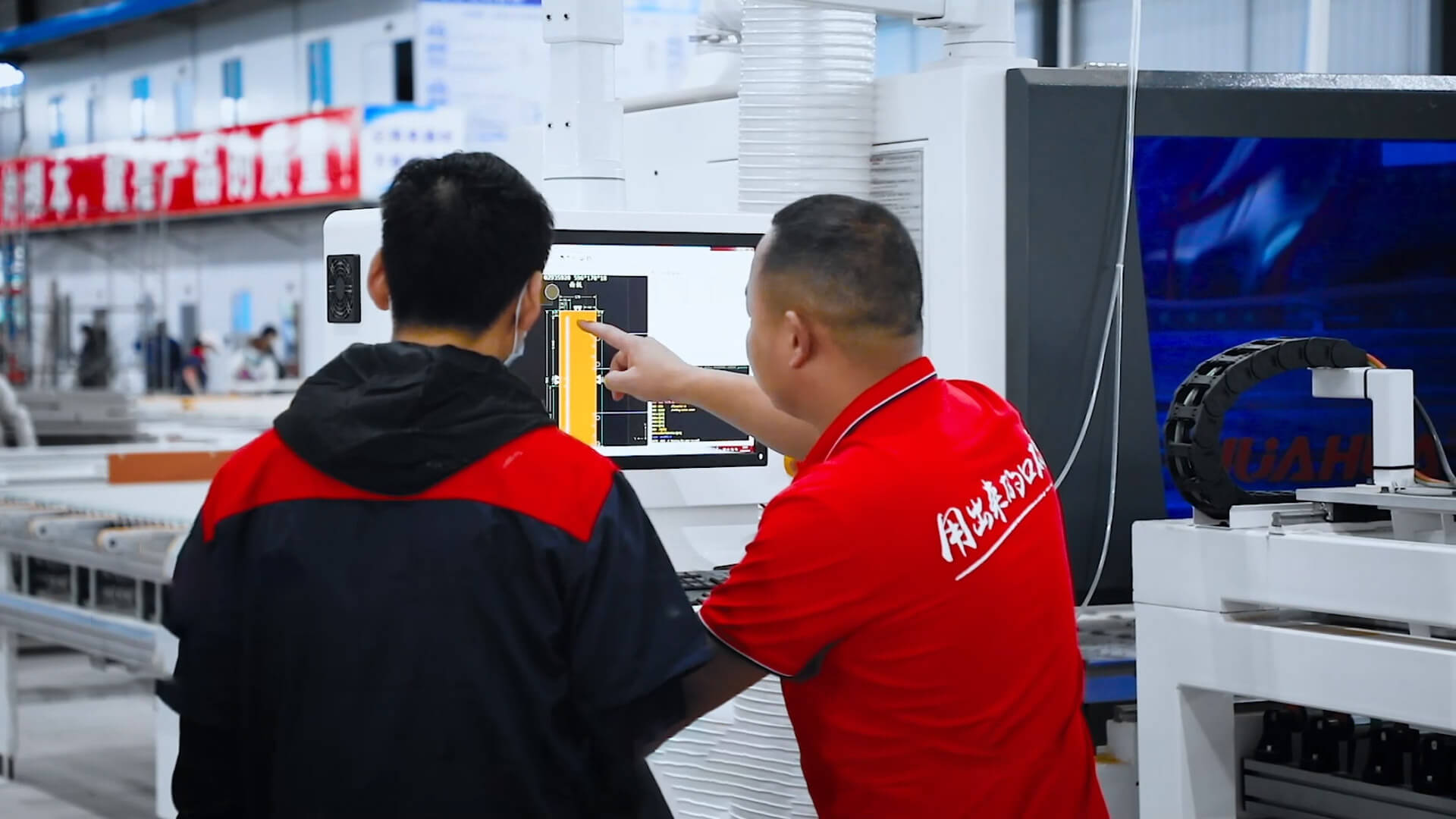
What matters — measurable criteria to judge a machine
Focus on facts you can test. Ask the supplier for these numbers and then verify them on the floor: repeatability and positional accuracy, spindle torque at working RPM, machine rigidity under load, usable table size versus your largest panel, tool-change speed, vacuum hold-down capacity, and control software openness (file formats and nesting compatibility). Don’t guess at cycle time — measure a real nested panel run. Pay attention to service response times and spare part lead times. Those operational metrics decide whether a machine pays for itself or becomes a persistent expense.
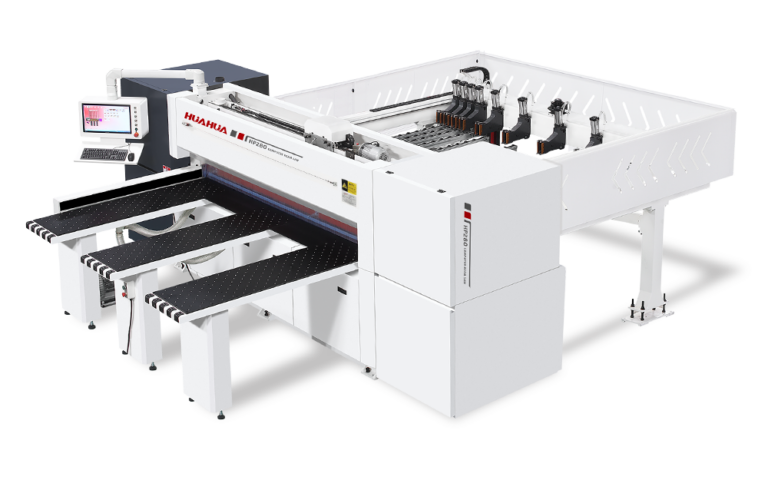
Common mistakes that cost shops the most
Buying the prettiest spec sheet. Picking the cheapest frame. Choosing a top-speed spindle when your tooling and clamping can’t match it. All of these are traps. A machine that’s too large wastes floor space and energy; too small, and you rebuild in two years. Overlooking dust extraction and chip flow causes bearings to fail early. Neglecting operator training hands you inconsistent results. Ignore flashy features until you confirm they solve a real, daily bottleneck.
Alternatives to weigh — practical comparisons
Gantry routers: great for large panels and heavy-duty cutting; they trade speed for brute force. Moving-table machines: ideal for continuous nested cutting and high throughput; they shine when you need repeatable cycle times. 5-axis units: excellent for complex joinery and nested components with bevels, but more complex to program and maintain. For most cabinet shops, a rigid gantry with a reliable automatic tool changer and an open CAM workflow gives the best balance of precision, uptime, and operator learning curve.
Real-world validation and trust — where expertise meets evidence
I’ve specified machines and supervised installations in dozens of shops. I’ve seen the same checklist expose risk and prevent mistakes. At trade events such as the LIGNA fair in Hannover, the conversations are honest: builders show sample parts and ask blunt questions about service, tolerances, and return-on-work-hours. That’s where you see patterns repeat — which manufacturers stand behind their machines, which don’t. Those live demonstrations and supplier booths reveal more than a glossy brochure ever will. And when you talk to regional wood machine suppliers, prioritize ones that offer on-site commissioning and documented maintenance plans; that’s where reliability begins.
How to test before you commit — a practical checklist
Run a real job. Bring your own CAD files and material. Cut a full panel with your joinery. Check tolerances on mating parts, inspect edge quality, and time the full nest-to-unload cycle. Ask for service records and reference shops within a commuting radius. Confirm spare-part pricing and availability. Verify the control accepts your file types and that your CAM workflow doesn’t need a costly translator. Ask the technician to show a spindle change and a stuck tool recovery. If they dodge any of these, walk away.
The final stitch — make the machine match the craft
You want predictable parts and calm shop floors, not constant firefighting. Match capacity to your peak load, insist on measurable accuracy, and demand proof in your shop with test cuts and references. When those requirements line up with a supplier who supports commissioning, training, and realistic spare-part timelines, you move from guesswork to steady production — the very outcome I’ve seen realized time and again with HUAHUA CNC.