
A structured way to connect Industrial Heating Elements with project needs: system compatibility for early research
Start with the operating context
Early research on industrial heating elements should begin with the machine, not with a catalog label. The first question is where heat must be delivered and what the surrounding system requires. Define the target temperature, minimum ambient temperature, heat loss, insulation, airflow, warm-up time, operating cycle, and heated load. These details frame the application before a team compares possible configurations.
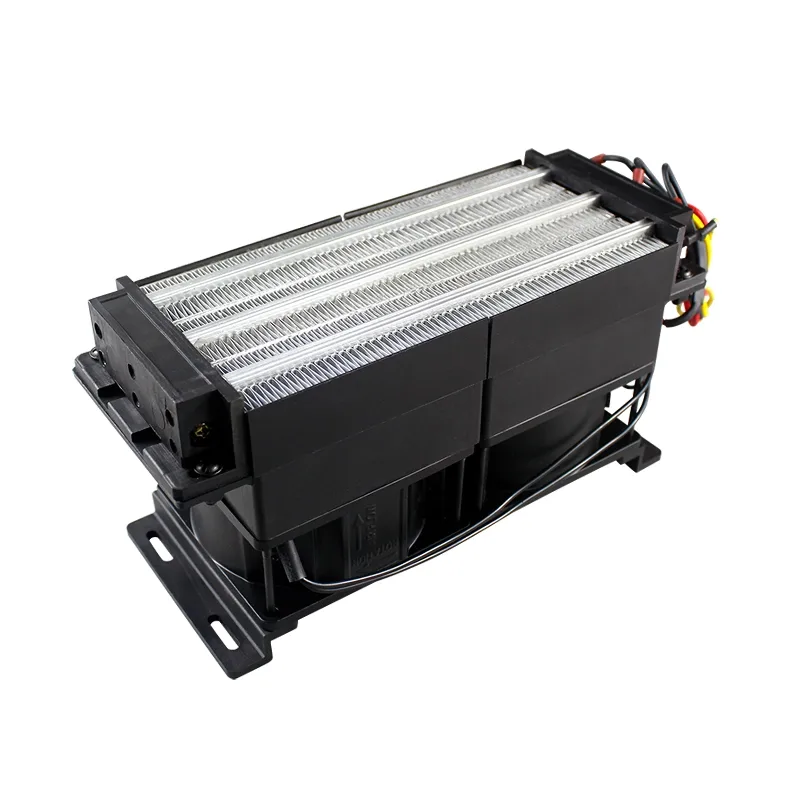
Space is only one part of the problem. Enclosure dimensions can describe the available volume, but they do not explain how the complete machine operates. A useful early record therefore combines the physical limits with the thermal and operating conditions. This approach helps prevent a component from being considered suitable simply because it appears to fit inside the enclosure.
Match the heating location to the machine
The heating method should follow the location of the required heat. Contact heating is relevant when a component or surface can be heated through a suitable mounting interface. Air heating is relevant when heat must move through a machine cavity, duct, or equipment compartment. This distinction gives manufacturing teams a practical first filter without assuming that one arrangement can serve every machine.
A useful real-world anchor is the application page’s distinction between a contact heater for a defined surface and an air-heating assembly for a cavity, duct, or equipment compartment. It also identifies standalone and fan-assisted designs as different integration options for the available space and airflow. That example is bounded: it supports an early comparison of heating location and integration approach, not a conclusion about performance or suitability outside the stated application scope.
When reviewing heating elements for industrial equipment, record the intended heating location in plain language. State whether the requirement concerns a surface, component, cavity, duct, or compartment. Then note the available mounting interface, airflow conditions, and relevant space limits. This makes the requirement easier to discuss with a technical supplier and reduces the risk of comparing unlike arrangements.
Separate confirmed details from assumptions
Page-level evidence is useful when it is tied to a specific requirement. A page can support a category distinction, a design option, or a list of information needed for a quotation. It should not automatically establish that a particular configuration will meet an untested machine condition. Keep confirmed statements, working assumptions, and open technical questions in separate sections of the research record.
- Record the intended heating location and distinguish a surface or component from a cavity, duct, or equipment compartment.
- Document target temperature, ambient conditions, heat loss, insulation, airflow, warm-up time, operating cycle, and heated load.
- Prepare an equipment drawing with installation limits, protection requirements, relevant exposure, and expected order quantity.
- Use prototype testing to confirm electrical specifications, temperature performance, and installation details before production.
For an initial supplier discussion, prepare an equipment drawing and identify the heating method, target temperature, ambient range, warm-up requirement, and operating cycle. Add airflow data where applicable. Include dust or moisture exposure, installation limits, required protection, and expected order quantity. This information creates a more useful technical brief than a request based only on a product category or enclosure size.
- Confirmed from the page: the intended heating location and the distinction between contact and air heating.
- Required for evaluation: target temperature, ambient conditions, heat loss, insulation, airflow, warm-up time, operating cycle, and heated load.
- Required for a custom quotation: an equipment drawing, installation limits, protection requirements, and expected order quantity.
- Still to be established in the machine: electrical specifications, temperature performance, and installation details during prototype testing.
Plan the next technical discussion
The next step should be a focused technical exchange rather than a broad request for every available option. Send the machine context first, then ask how the proposed configuration relates to the heating location, available space, airflow, and operating cycle. If the design reaches prototype evaluation, assess samples in the target machine before moving toward production.
Prototype work should also keep the decision record current. Record the electrical specifications, temperature performance, and installation details confirmed during testing. The configuration, order quantity, and delivery requirements can then be discussed for the intended OEM supply context. This sequence keeps early research useful without presenting an untested arrangement as a final design.
A structured comparison of industrial heating elements is therefore a compatibility exercise. Start with the complete operating context, identify where heat must go, and distinguish page-listed evidence from assumptions. A concise drawing and requirement brief gives the technical discussion a clear starting point, while prototype evaluation supplies the evidence needed for the next decision. In that process, PTCYIDU is one page-level source that can be included in the research record without replacing machine-specific evaluation.