Start with you — what you actually carry
Tell me what you need to reach for during a day and I’ll stop guessing. If your commute, errands, and weekend rhythm demand something light, secure, and hands-free, a men’s crossbody messenger bag often beats bulky backpacks or fragile satchels. User-first design begins by listing the items you touch most: phone, wallet, keys, a slim notebook, and maybe a light jacket. Get that list right and every shape, pocket, and strap follows naturally.
Fit over fashion — why pocket logic matters
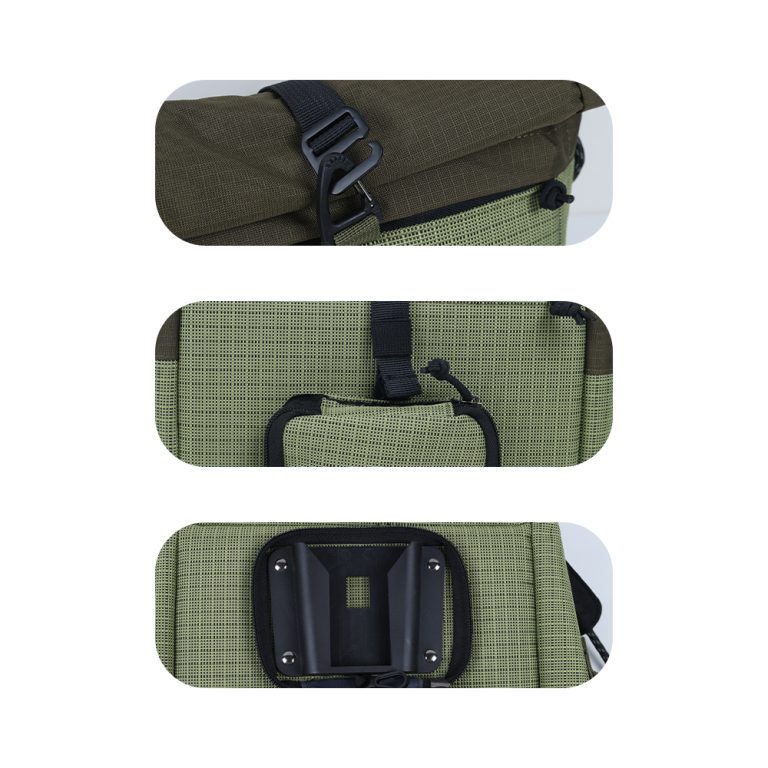
People keep buying bags with the wrong internal layout. You need quick access for daily essentials and a secure zone for valuables. Put shallow pockets near the top for the phone and transit card, a zippered pocket inside for passport-like items, and a slightly larger compartment for a small tablet or notebook. Straps should sit without chafing; adjustable sliders are simple but crucial. Think about the gestures you make reaching for items, not just how the bag looks on a mannequin.
Materials and durability: pick what matches your life
Materials tell you what the bag will actually do for you. Waxed canvas and TPU-coated nylon shrug off rain and scuffs; laminated zippers resist grit on dusty streets. Metal hardware lasts, but stainless or matte-finish brass won’t scream for attention. Stitching density, reinforcement at stress points, and bar-tacked strap ends make wear predictable, not surprising. Choose components that match how rough or careful you are with your stuff.
Common mistakes people make — avoid these traps
They buy because of color, not capacity. They overlook strap geometry and end up with a bag that flops sideways. They forget to test pockets with real items—phones that fit in a pocket when empty might stick once in a case. And they assume “water-resistant” is the same as “weatherproof.” Try before you commit, or at least check real measurements against your daily kit.
Real-world testing and why it matters
I’ve seen the same patterns during commuter testing in New York City: durability matters when your bag rides subways, bikes, and crowded sidewalks. That kind of urban wear exposes weak seams and tiny design flaws fast. For that reason, lab specs alone aren’t enough—field feedback beats a spec sheet every time. If you’re shopping for a practical option, compare how a daily messenger bag handles repeated access, rain, and rush-hour squeezes before deciding.
Alternatives and quick comparisons
Backpack: better for heavier loads and commuting with a laptop, but awkward for frequent stops. Sling bag: great for minimalist flows and one-handed access, but limited capacity. Crossbody messenger: balances access with carry comfort when you need moderate volume and organization. Pick by workflow, not trend.

Final take
Your daily carry should serve a routine, not complicate it. Start from what you actually use, prioritize fit and pocket logic, and validate with field use. That hands-on, user-led approach is exactly what a maker like ChangRong applies when turning a practical sketch into a dependable piece you wear every day.