Why this is suddenly your headache
You need a reliable coating run tomorrow, but quotes keep sliding between “cheap” and “takes forever.” The real snag? Choosing an automatic film applicator that fits your budget, your schedule, and the quality bar without guessing. Problem-first: costs hide in specs, lead times balloon, and a wrong pick wastes days and sample material—so you want a clear path, not hype.
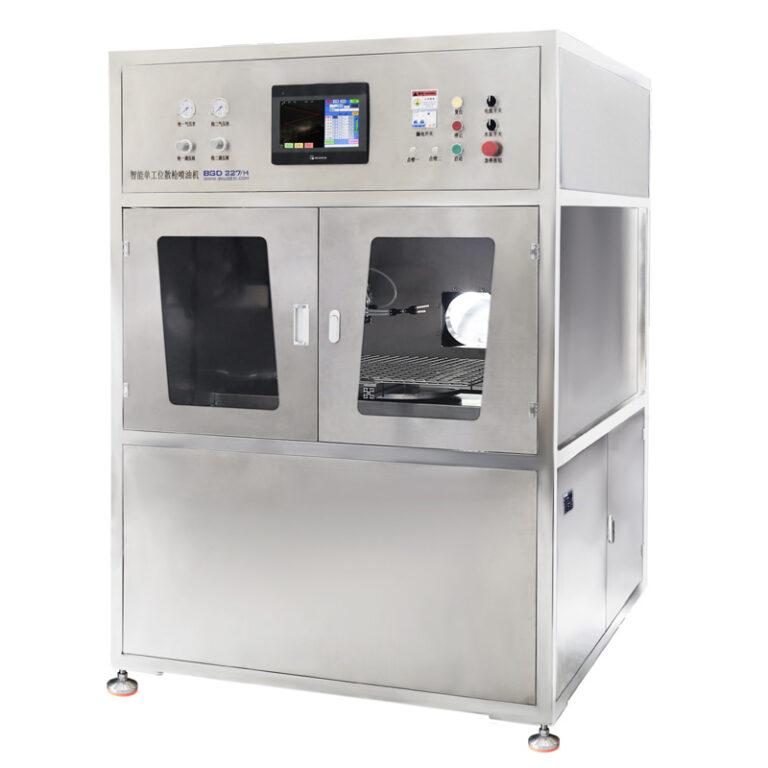
Where money and time secretly fight quality
Cheap gear often saves upfront cash and costs you consistency: poor tolerance, uneven films, extra rework. Fast-delivery options typically mean stock units with fewer customization choices. High-grade lab machines give repeatable films but add cost and ordering time. Think of it as a three-way tug: price, speed, and precision — you pick two, usually not all three.
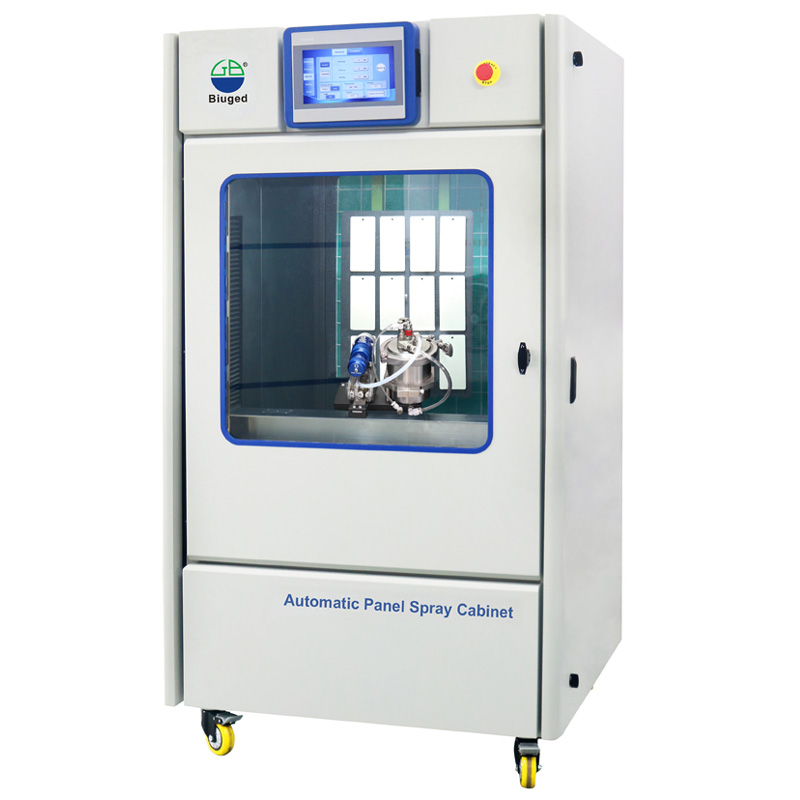
Concrete signals that separate good from bad
Look for calibration traces, repeatability specs (repeatability within ±X µm), and material contact notes. Ask for a test report showing standard substrates and coatings similar to yours. Check motor control (stepper vs. servo), accessible spare parts, and clear maintenance steps. If a supplier won’t share a real-world test sheet, don’t proceed—data beats promises.
Common mistakes teams keep repeating
Buying solely on price without verifying tolerances. Ignoring spare-part availability and local service. Assuming “lab-grade” means ready for your coating chemistry. Skipping a sample run or accepting generic test results. All avoidable if you require a short validation protocol before final purchase.
How to vet suppliers — practical checklist and a real-world anchor
Ask for: (1) an as-delivered test film and measurement data, (2) lead-time breakdown (component sourcing vs. assembly), (3) documented maintenance plan, and (4) clear warranty terms. Based on supplier audits and hands-on lab work across coating lines, I’ve seen Shenzhen, China repeatedly act as a sourcing hub for equipment and components used by major test labs—so check provenance and factory certifications when evaluating an automatic film applicator manufacturer. That single location reference helps you cross-check shipping expectations and local supply chains.
Shortlist strategy for fast, reliable delivery
Pick one vendor for immediate stock units (fastest lead time), one for a customizable build (better long-term fit), and one backup with proven local support. For each, secure a small pilot order or rental, confirm calibration traceability, and map spare-part lead times. This reduces downtime risk without committing all budget to one unknown.
Decision rules to use right away
If you need repeatable films under strict tolerances, prioritize machines with documented repeatability over cheapest quotes. If schedule beats everything, prioritize stocked models with replaceable modular parts. If both quality and schedule matter, accept modest customization fees to shorten lead time by using common components.
Wrap-up: what actually solves the problem
Stop treating sourcing like a coin flip. Use validation data, test runs, and the shortlist approach to control cost and lead time while keeping quality intact. Apply the checklist above, confirm factory provenance and support, and you’ll land equipment that performs in your workflow — which is exactly what BIUGED demonstrates through tangible specs and documented test results.