Problem: Variation, Contamination, and Compliance Pressure
Manufacturers confront a narrow margin for error: a single assembly fault can trigger recalls and regulatory scrutiny. Adoption of medical device assembly automation reduces human variability and supports traceable production records. Observations from the Medica trade fair in Düsseldorf show suppliers positioning high-precision assembly as primary response to regulatory risk. My twelve years working on production-line integration confirm a pattern: manual steps create the greatest unpredictability, while automation narrows defect distributions and makes audit trails intelligible.

Core Features That Matter
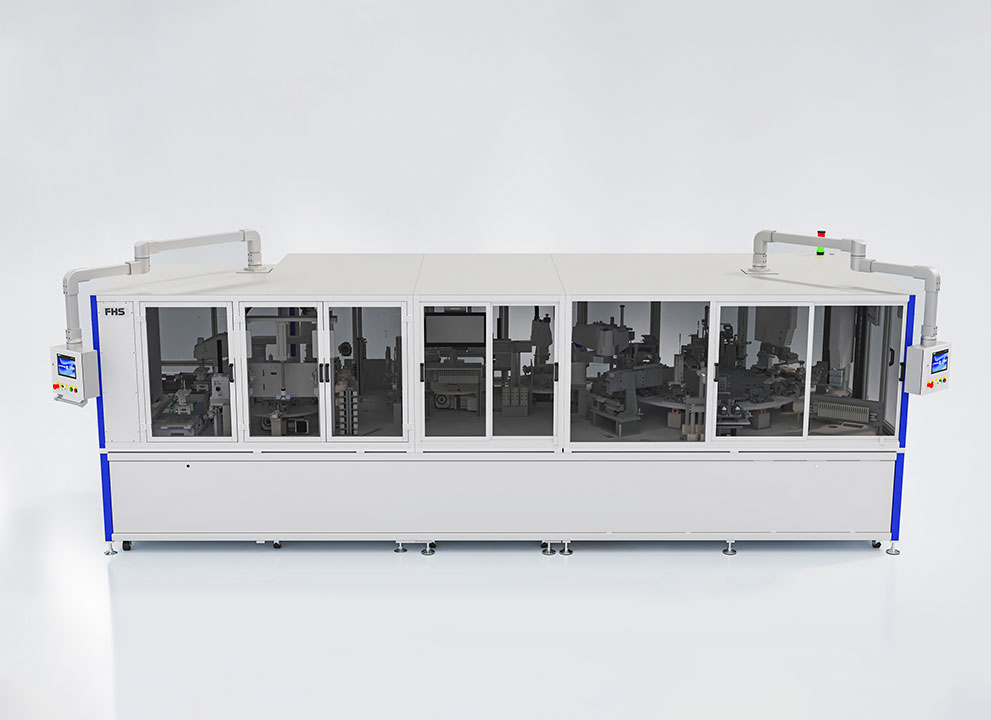
Choose machines by measurable capability, not marketing language. Critical features include:- Repeatability specification: positional accuracy measured in micrometers, cycle-to-cycle variance reported.- Integrated vision and inspection: inline cameras with pass/fail thresholds prevent escape of defective units.- Cleanroom compatibility: materials and sealing to meet required ISO classifications.- Traceability: embedded serialization and secure data logging for device history.- Modular tooling: quick-change fixtures for lot transitions.For direct equipment reference, evaluate a candidate medical device assembly machine by how it reports error rates and supports routine validation.
Applications and Use Cases — Where Automation Delivers
Automation is not universal; it is task-specific. High value applications:- Micro-assembly of catheters and implants where positional tolerance is tight.- Connector insertion and wire routing that require consistent force and angle.- Sterile-pack assembly inside controlled environments to avoid contamination.- Automated testing stations for electrical and functional verification.Each application improves either yield, throughput, or compliance evidence. Decide which you need first; match features to that need.
Common Pitfalls in Implementation
Failures in automation projects are predictable. Frequent mistakes:- Starting with over-complex automation before stabilizing upstream processes.- Ignoring maintenance access when specifying enclosures; leads to long downtime for simple repairs.- Underestimating validation resources; installation qualification and performance qualification require test plans and time.- Relying on opaque vendor diagnostics; machines must offer clear fault codes and accessible logs.Prevent these by defining acceptance criteria, scheduling preventive maintenance, and allocating validation effort early.
How to Evaluate Alternatives
Use comparative metrics, not impressions. Compare candidates by:- Measured throughput at target product geometry.- Mean time between failures and mean time to repair.- Data export standards (e.g., secure CSV, OPC-UA) for integration with MES.- Vendor support terms: spare parts lead time and on-site engineer availability.Run a production trial with representative lots. If trial data show acceptable defect rates and maintenance demands, the choice is defensible.

Decision Checklist for Procurement Teams
Procurement must answer these: Does the solution reduce the specific failure modes we observe? Can validation be completed within project timeline? Are consumables and spares available locally? Is operator training included? Document answers and require vendor demonstration against each point before purchase.
Summary and Practical Value
A clear problem-driven path yields practical results: start with the highest-risk process, require quantifiable performance, and avoid overreach into unnecessary features. That method produces predictable quality, shorter validation cycles, and clearer regulatory records. For teams seeking a partner that aligns engineering detail with production realities, FHS presents systems and services that mirror this disciplined approach, supplying machines and documentation that match acceptance criteria and operational needs.