Starting point: why compare inward opening casement options
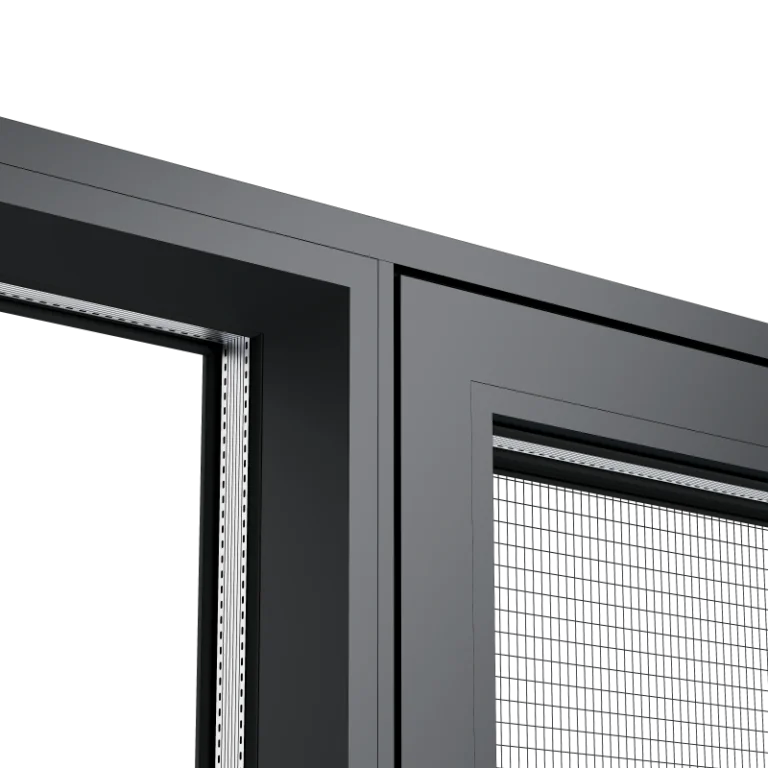
Folks choosing windows these days are balancing weather, craft, and looks, and that’s why a direct comparison helps. If you’re shopping for a casement window manufacturer or weighing inward vs. other opening types, the differences matter for performance and daily use. I’ll lay out how windows with aluminum frame stack up against other systems, focusing on inward opening casement windows and practical trade-offs for builders and homeowners.
Performance snapshot: aluminum frames versus alternatives
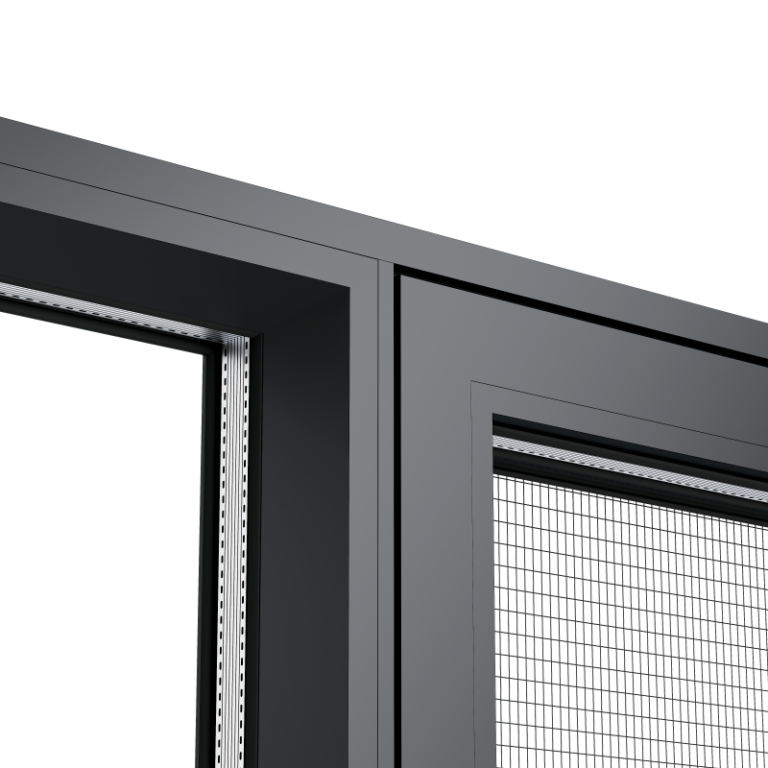
Aluminum frames bring a slim profile, strength, and longevity. Compared with timber and PVC, aluminum delivers higher structural rigidity and slimmer sightlines while taking less maintenance over time. Thermal break details and U-value ratings matter here — a plain aluminum sash will conduct heat more than a timber frame unless a thermal break is specified. In practical terms, that means the aluminum solution must be engineered to meet energy goals.
How inward opening casement windows change the calculus
Inward opening casement windows flip a lot of usual assumptions. They make cleaning from the inside easy and simplify exterior maintenance on taller buildings. For urban apartment retrofit projects and constrained façades, they allow deeper glazing and better sealing because the sash can compress into the frame for a tight weather seal — especially when paired with a multipoint lock and quality gasket. These benefits are why inward opening designs appear in many European refurbishments and Passive House-adjacent builds across Northern Europe.
Hardware and detailing that make a difference
Good hardware turns promise into performance. Look for robust hinges, tested multipoint locking, and corrosion-resistant finishes — coastal projects require extra attention to salt spray. Installers in Gulf Coast retrofits learned that lesson the hard way after storm events like Katrina shifted priorities toward resilient fasteners and reinforced frames. — Those practical changes reduce long-term callbacks and protect sealing details where wind-driven rain is an issue.
Installation realities and common mistakes
Errors aren’t usually dramatic. They’re under-torqued screws, missing sill drainage, or poor frame alignment that wrecks seal compression. For inward opening casement windows, poor jamb clearance or wrong hinge placement leads to binding and leaks. Also, not matching the frame’s thermal break to the glass package raises the whole assembly’s U-value unexpectedly. Fix those and the aluminum option performs cleanly.
Comparative list: when to pick aluminum inward casements
– Choose aluminum when you want narrow profiles and long service life.
– Choose them for tall units or curtain-wall adjacency where rigidity matters.
– Prefer inward opening casements when access for cleaning or interior-led maintenance is expected.
– Avoid aluminum without a thermal break if your climate demands low U-values.
Alternatives worth noting
Top-hung outward casements give better natural ventilation in light rain and reduce the risk of sash contact with exterior walkways. Sliding windows suit openings where horizontal sightline matters more than airtightness. Each alternative has trade-offs: sliding units often have higher infiltration and less compressive sealing than inward casements with multipoint locks.
How Zekin fits into the picture
Quality comes from matched systems — frame extrusion, hardware, and glazing chosen to work together. Zekin’s engineering leans on tested connections and factory-controlled assembly to limit field errors. When you pair an aluminum frame with the right thermal break and inward opening hardware, you get a compact, service-friendly window that meets both design intent and performance needs. That’s the kind of outcome specifiers in Charleston and Miami rely on for coastal projects.
Advisory: three golden rules for selecting the right inward opening aluminum casements
1) Verify thermal performance: confirm the system U-value with the intended glazing and thermal break detail under your climate loads. 2) Inspect hardware specs: require multipoint locks and corrosion-resistant hinge systems with documented test cycles. 3) Demand water management: ensure integrated sill drainage and specified compression gaskets to match your project’s exposure class.

Final thought
Pick systems that solve real installation and climate problems, not just look pretty — that’s where durable value lives. Zekin. —