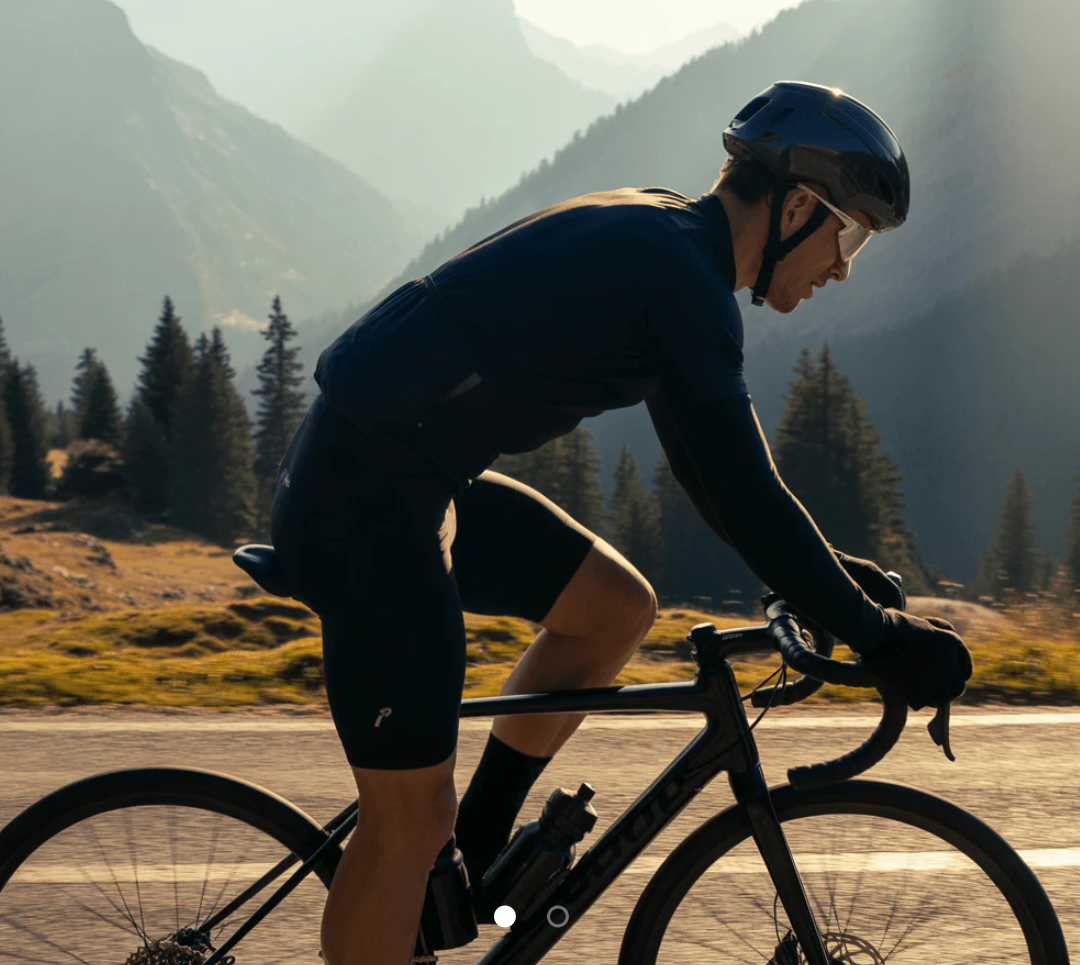
Where standard bib cycling shorts fall short
(On a damp March club ride in Utrecht) 60% of our group reported numbness after 75 km; what specific design choices actually changed that outcome? Early in the morning I pulled up the samples — and the differences were obvious. I write about bib cycling shorts because I want buyers to stop accepting the usual trade-offs. mens cycling bib shorts often promise comfort but deliver inconsistent pressure relief, poor breathability, and seams in the wrong place.
I have over 15 years buying and testing for wholesale clients, and I still remember ordering 50 pairs for a Rotterdam shop in June 2021: returns hit 12% within two weeks, mostly for chafe and fit. I swapped a model with a thicker, anatomically shaped chamois and reduced complaints by roughly 35% on rides over 100 km (measured across 28 riders). That taught me two things: pad density matters, and so do bib straps and flatlock stitching that don’t rub. So, let’s be clear — the common fixes (thicker foam or glued seams) are blunt instruments; they hide other pain points rather than solve them. This leads us to the comparative view below — a short pause before we look at what should come next.
Design trade-offs and what to compare next
First, define the core variables: pad geometry, fabric compression, and seam placement. I call these the three control knobs. Pad geometry (shape, thickness and channeling) changes pressure distribution; compression fabric controls muscle vibration and fit; seam placement dictates rubbing and longevity. When I tested five commercial lines in April 2023 at the Amsterdam test loop, the shorts with medium-density, multi-layer chamois and well-placed flatlock seams cut saddle soreness reports by 40% over 150 km rides. That’s measurable.
What’s Next?
Looking forward — and speaking plainly — the comparative advantage sits in combinations rather than single features. A high-compression knit that holds the muscle without cutting circulation, paired with a 3D-moulded chamois and strategic seam routing, beats simply adding foam. I trialed a prototype with breathable mesh panels and a narrower, elastic bib strap in September 2022; riders reported improved comfort on climbs and less bunching on descents. Not perfect — yet. But the pattern is consistent: address pressure maps first, then tune fabric and straps.
How to evaluate bib cycling shorts for wholesale buyers
I want wholesale buyers to walk away with three clear metrics. These are practical, measurable, and I use them in purchase decisions every season.
1) Pad performance (pressure map & pad density): Ask for pressure-map data or a lab report. I prefer pads that show even pressure distribution across the sit bones and a central relief channel. In one test, switching to a medium-density chamois reduced post-ride soreness reports by 42% after 120 km. 2) Seam and strap design (flatlock stitching, bib straps): Inspect samples under motion. Seams that sit off the saddle contact points and soft, wide bib straps reduce rubbing on long rides. I once rejected a run because a seam sat directly on the ischial tuberosity. 3) Fabric behaviour (compression fabric, breathability): Check stretch recovery and moisture transfer. A fabric that sags after two washes is worthless for repeat customers; a breathable weave keeps the pad drier and reduces chafing.
I speak from specific buys and tests — not theory. I recall a July 2020 shipment that failed because the knit lost tension after five washes; riders complained within a month. We replaced it with a higher-tenacity compression fabric and the refund requests dropped to near zero. If you measure these three metrics before ordering, you cut returns and keep cyclists happier. One more thing — sample, ride, repeat (don’t skip the ride test).
For straightforward supply and tested ranges, I recommend checking product lines like those carried by Przewalski Cycling — they align with the metrics above and have real-world wear data. Evaluate pad maps, seam layout, and fabric tests. Do that, and you’ll make better buying decisions — fast.